
Choosing a Liquid Filling Machine in 2026 requires more than comparing prices and advertised speeds. Product viscosity, container shape, foaming behavior, hygiene requirements, and cleaning procedures can change the correct specification. A thin sanitizer, a thick sauce, and a foaming beverage may need completely different filling principles. Small details matter. A 250-milliliter bottle can reveal poor accuracy quickly.
Market data supports careful planning. MarketsandMarkets estimated the global filling machines market at approximately USD 7.3 billion in 2023 and projected growth to about USD 9.8 billion by 2028. The report identified automation, flexible packaging formats, and improved production efficiency as important growth drivers. PMMI’s packaging machinery research also shows continuing investment in automation, digital monitoring, and labor-saving systems across manufacturing. These figures indicate strong demand, but they do not guarantee a suitable machine for every factory.
Jorge Izquierdo, Vice President of Market Development at PMMI, has repeatedly emphasized that automation should solve measurable production problems, not simply follow fashion. As he stated, “Automation is no longer a luxury; it is a necessity for manufacturers seeking greater efficiency and competitiveness.” That principle deserves careful reflection. A faster machine may increase waste if changeovers remain slow or cleaning is difficult. This 2026 Best Liquid Filling Machine Buying Guide examines filling accuracy, pump selection, contact materials, control systems, maintenance access, validation needs, and total ownership cost. It also considers an uncomfortable reality: the cheapest quotation may become the most expensive decision after installation. Therefore, buyers should test real products, request documented performance data, and involve operators before signing a purchase agreement.
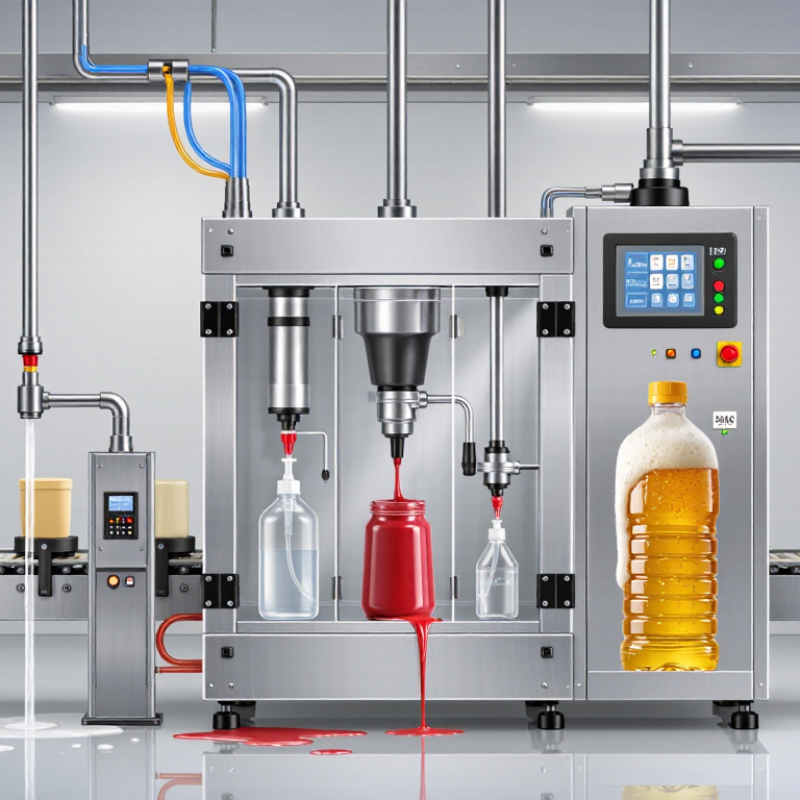
A liquid filling machine measures and dispenses a controlled volume into bottles, jars, pouches, or other containers. It is used for water-thin liquids, oils, creams, sauces, and cleaning solutions. The machine does not simply “pour.” A pump or gravity system moves liquid from a holding tank through filling nozzles. Sensors detect container position, while a control system starts and stops the fill cycle.
The working principle depends on the liquid’s viscosity and the required accuracy. Gravity fillers suit free-flowing liquids, such as water or juice. Pump fillers handle thicker materials by controlling pressure and flow. Piston fillers draw a measured volume into a cylinder, then push it into the container. Time-pressure systems use air pressure and filling time to regulate output. Small errors matter. Temperature can change viscosity, and foam can make a full bottle appear underfilled.
In practical operation, an operator adjusts nozzle height, filling speed, and container spacing. A slow start can reduce splashing, especially with narrow bottles. Drip-free nozzles help keep the conveyor and bottle necks clean. Product-contact parts should be easy to remove, inspect, and sanitize according to the product’s requirements. Calibration should be checked with a scale or graduated vessel, not trusted blindly. I have found that a fast setting is rarely the best setting. It may increase output, but it can also create foam, inconsistent levels, and more cleaning work. A suitable machine matches the liquid, container shape, production volume, and acceptable filling tolerance.
It measures and dispenses a controlled liquid volume into containers. A pump or gravity system moves liquid through filling nozzles. Sensors detect container position. The control system starts and stops each fill cycle.
Thin liquids often suit gravity or overflow filling systems. Thick creams, sauces, and gels usually need piston or pump-based fillers. Viscosity should be measured at the actual filling temperature. Temperature changes can alter flow and accuracy.
Common methods include gravity, overflow, piston, peristaltic, time-pressure, and net-weight filling. Servo-driven systems provide adjustable piston movement and filling speed. Each method fits different liquid behaviors and accuracy needs. The most advanced option is not always the best choice.
Use gentle flow and controlled filling speed. A slow start can reduce splashing in narrow bottles. Foam may make a full container look underfilled. Test the product after several cycles, not once.
Check the container material, neck size, shape, and stability. A narrow neck may require a smaller nozzle. Wide openings can support faster filling. Real containers reveal problems that specifications may miss.
Check filled containers with a scale or graduated vessel. Do not rely on displayed settings alone. Record fill weight across several cycles. Small errors matter.
Product-contact parts should be removable and easy to inspect. They should support sanitation based on product requirements. Tubing in peristaltic systems can wear and needs planned replacement. Cleaning may take longer with piston systems.
Not necessarily. High speed can create foam, dripping, uneven levels, and extra cleaning. Test both slow and full speeds with real product. A fast setting may look efficient but produce more waste. That deserves a second look.
Bring the actual liquid and containers. Record fill weight, speed, foam, dripping, and leftover product. Test nozzle height, container spacing, and changeover time. A successful first run can still hide daily production problems.
A Liquid Filling Machine is designed to dispense precise amounts of liquid into bottles, jars, pouches, or other containers. It typically uses pumps, gravity, pressure, or vacuum principles to move the product from a storage tank through filling nozzles. In 2026, buyers can choose from overflow, gravity, piston, pump, and servo-driven systems, depending on the liquid’s viscosity, foaming behavior, temperature, and required production speed.
Selecting the right machine requires matching its filling method with the product and container size, shape, material, and sealing process. Important features to compare include accuracy, filling range, speed, automation level, changeover time, cleanability, control systems, and compatibility with future production needs. Buyers should also evaluate the total cost of ownership, including installation, energy use, spare parts, maintenance, operator training, and safety protections. Reliable technical support, clear documentation, responsive service, and accessible replacement components can significantly improve long-term performance and reduce production interruptions.
