
As the global market for hair care products expands, the importance of efficient packaging cannot be overstated. Innovations in the "Shampoo Filling Machine" sector are pivotal for manufacturers aiming to meet rising consumer demands. Renowned industry expert, Dr. Jane Thompson, emphasizes, "Modern shampoo filling technology is essential for both speed and accuracy in production."
In 2026, buyers will need advanced machinery that not only enhances productivity but also ensures product integrity. Key features to consider include automated filling, precise volume control, and adaptability to various bottle sizes. Innovations like these address common challenges in the industry, such as minimizing waste and ensuring consistent quality.
Nevertheless, there are hurdles to overcome. Not all machines on the market are reliable, and some may not fit specific business needs. Buyers must conduct thorough research to avoid costly mistakes. It’s crucial to balance technology with practical usability. As you explore the landscape of shampoo filling machines, consider how these advances reflect in your production efficiency and overall brand reliability.
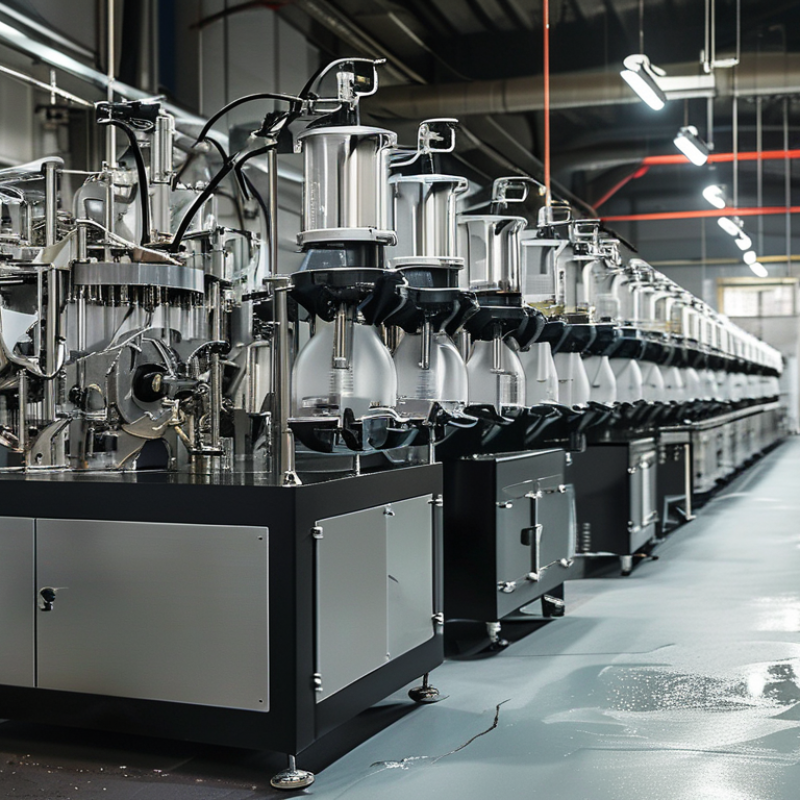
The shampoo filling machine technology in 2026 offers significant advancements for global buyers. These machines are increasingly equipped with automation features, enhancing production efficiency. Research from industry analysts indicates that automated filling processes can boost output by over 30%. Precision in filling is crucial, reducing waste while making sure customers receive exactly what they expect.
Consumer preferences are evolving, requiring more sustainable packaging options. The latest technologies address this by integrating eco-friendly materials into the production process. However, the transition is not without challenges. Many manufacturers face obstacles in sourcing these materials at a competitive cost. A report highlights that while 70% of brands aim for sustainability, only a fraction have successfully implemented it in their filling processes.
Another notable trend is the incorporation of IoT (Internet of Things) capabilities. Machines that communicate data in real-time can optimize production schedules and predict maintenance needs. Yet, this technology can be overwhelming for some businesses. Training staff to effectively use these new features is essential, and many companies report difficulty in adjusting to the rapid changes. These factors indicate that while technology is advancing, the industry still faces hurdles in full implementation.
Shampoo filling machines are crucial in the cosmetics industry, particularly for the ever-evolving market demands. According to a recent industry report, the global shampoo filling machine market is projected to grow by 5.2% annually until 2026. Innovations in technology are driving this growth. High-speed filling processes now efficiently handle various bottle sizes, reducing downtime and waste.
Modern machines now incorporate AI and machine learning. These technologies optimize filling accuracy and ensure fewer errors. For instance, automated sensors adjust filling levels on the fly, maintaining consistency across production batches. Additionally, the shift towards eco-friendly materials means machines now favor sustainable packaging solutions, aligning with consumer preferences for greener products.
Yet, challenges remain in the industry. The complexity of new technology can lead to operational issues, requiring significant staff training. Moreover, not all manufacturers prioritize regular maintenance, which can affect machine efficiency. Balancing high-tech solutions with reliable operations is essential for future success. Investment in user-friendly interfaces may help overcome these hurdles, ensuring a smoother transition to advanced systems.
| Feature | Description | Innovation Level | Market Trend |
|---|---|---|---|
| Automated Filling System | Highly efficient and reduces human error with advanced sensors. | High | Growing demand for automation in manufacturing. |
| Adjustable Nozzle Technology | Customizable for different bottle shapes and sizes. | Moderate | Versatility in product packaging. |
| Real-time Monitoring | Tracks production data and alerts for anomalies. | High | Increased focus on quality control. |
| Touchscreen Controls | User-friendly interface for easy operation and adjustments. | High | Trend towards user-centric machine design. |
| Energy Efficient Operation | Designed to minimize energy consumption during operation. | High | Sustainability initiatives in manufacturing processes. |
The shampoo filling machine market is evolving rapidly. Manufacturers worldwide are introducing innovative technologies. These machines enhance efficiency and productivity. Advanced features such as automatic controls and precision dosing improve accuracy. Many companies focus on reducing waste during the filling process. This aspect significantly affects cost-effectiveness for businesses.
Global manufacturers vary widely in their product offerings. Some specialize in high-speed machines suited for large production runs. Others provide compact options aimed at smaller businesses. The differences lead buyers to consider various factors. These include performance, cost, and the scale of operations. Industry experts emphasize the importance of evaluating specific needs before choosing a machine.
Despite the advancements, there are challenges in the market. Not all machines meet the rigorous quality standards. Some users report issues with technical support and maintenance. This inconsistency can be frustrating for buyers. Manufacturers must address these gaps to build trust. Continuous innovation is necessary, yet the marketplace remains competitive. Proper research and due diligence are crucial for making an informed decision.
The shampoo industry faces increasing pressure to adopt sustainable practices.
Eco-friendly packaging solutions are becoming essential for brands. Biodegradable materials, like plant-based plastics, offer promising pathways.
These materials break down naturally, reducing environmental impact.
Recyclable packaging is another trend gaining traction. Brands are exploring how to design bottles that can easily be reused or recycled.
However, this raises questions about recycling rates in various regions. Some areas lack facilities, making true sustainability challenging.
The effectiveness of these initiatives varies across the globe.
In pursuit of eco-friendliness, companies must balance innovation and practicality.
Sustainable practices should not compromise product safety or effectiveness. Continuous improvement is necessary.
This means being open to feedback and adjusting strategies as needed. The journey towards sustainability requires commitment and adaptability.
Only then can the industry truly align with consumer expectations for greener solutions.
The shampoo filling machine market is evolving rapidly. As manufacturers strive for efficiency, technology plays a crucial role. Recent data indicates that the global packaging machinery market for personal care products, including shampoo, is projected to reach USD 45 billion by 2026. This growth is driven by consumer demand for premium products. Manufacturers are investing in advanced filling machines that offer precision and flexibility.
New technologies are shaping the future of filling processes. Automated systems are becoming standard. These systems ensure higher accuracy and reduce waste. A report by Smithers Pira highlights that these innovations can increase production speeds by 20%. However, adapting to these new technologies can be challenging for smaller companies. They often lack the resources to invest in high-end equipment.
Sustainability is another critical trend. Eco-friendly packaging is a growing demand among consumers. Research shows that 75% of consumers prefer brands that focus on sustainability. Filling machines are now designed to accommodate biodegradable materials. This indicates a shift that may require extensive training for operators. Balancing tradition with innovation remains a significant challenge. The industry must rethink practices to meet emerging consumer preferences efficiently.
: Expect increased automation features that enhance production efficiency by over 30%. Precision in filling will reduce waste.
Yes, many manufacturers struggle to source eco-friendly materials at a competitive cost despite 70% aiming for sustainability.
IoT enhances communication for real-time data. However, training staff to utilize these features can be overwhelming for some businesses.
Evaluate performance, cost, and operational scale. Different manufacturers offer various machines suited for specific needs.
Some users report problems with quality standards, technical support, and maintenance, leading to frustration.
Yes, many companies strive to minimize waste, as it directly impacts cost-effectiveness for businesses in the market.
Manufacturers differ significantly; some offer high-speed machines while others focus on compact options for smaller businesses.
Addressing gaps in quality and support is essential. Continuous innovation is necessary to remain competitive in the marketplace.
Yes, staff training is critical, but many companies face challenges adapting to rapid technological changes.
Due diligence helps navigate the complexities of the market and makes informed decisions based on specific operational needs.
The "2026 Top Shampoo Filling Machine Technology for Global Buyers" article provides an in-depth overview of the advancements in shampoo filling machine technology that are expected to shape the market in 2026. It highlights key features and innovations in modern shampoo filling machines, such as enhanced accuracy, speed, and user-friendly interfaces. The article also compares global manufacturers, examining their capabilities and market presence.
Furthermore, it delves into sustainability trends, emphasizing the growing demand for eco-friendly solutions in shampoo packaging. As consumers become more environmentally conscious, manufacturers are expected to adopt sustainable practices and materials. Lastly, the article discusses future prospects and market trends, indicating that technological innovation will continue to drive the shampoo filling machine sector, ensuring that it remains competitive and responsive to changing consumer needs.

Sina Ekato