In the food and beverage industry, the choice of equipment can significantly impact product quality and operational efficiency. One essential piece of equipment is the Hot Filling Machine. According to a recent report by the Food Automation Group, the hot filling technology market is projected to grow by 7.2% annually. This growth highlights the increasing demand for efficient and reliable filling solutions.
Selecting the right Hot Filling Machine involves understanding your specific needs. Factors such as the type of beverage, production volume, and operational costs are critical. A well-chosen machine can enhance shelf life and preserve flavor integrity. However, many businesses overlook the importance of compatibility with containers, leading to inefficient operations and product wastage.
While investing in a Hot Filling Machine can improve processes, it also requires careful consideration. Inefficient choices may lead to downtime and increased maintenance costs, ultimately affecting profitability. Thus, reflecting on both needs and potential challenges is essential in making an informed decision. Choosing wisely can set your brand apart in a competitive market.
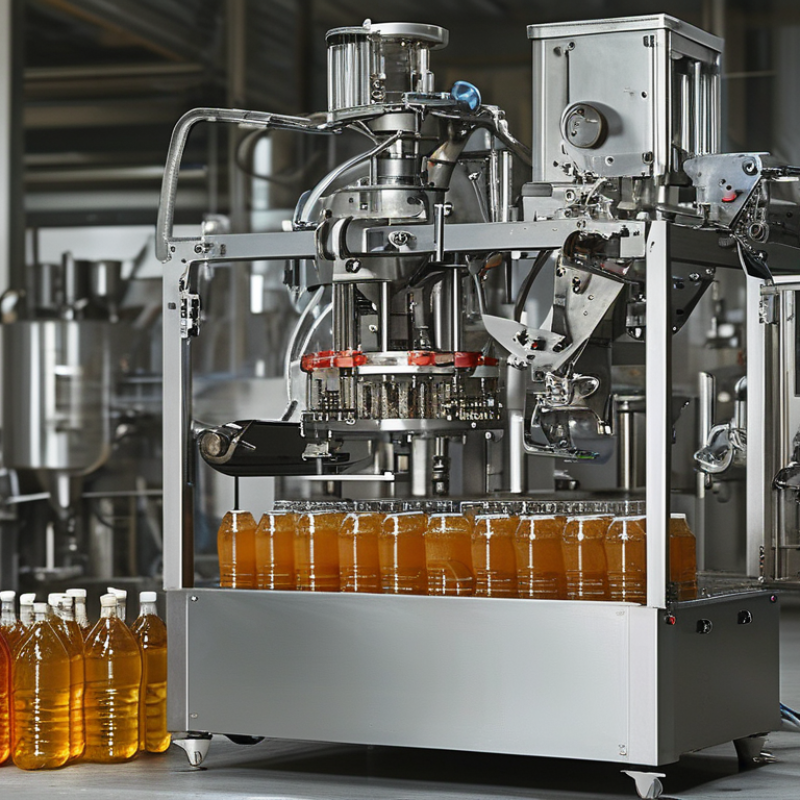
Understanding Hot Filling Machines and Their Applications
Hot filling machines play a crucial role in the beverage and food packaging industries. They are designed to fill products at high temperatures, usually above 85°C. This process helps in extending shelf life without preservatives. According to a report by Research and Markets, the global hot filling machine market is projected to grow significantly, driven by increasing demand for ready-to-drink beverages.
Understanding the applications of hot filling machines is vital. These machines are ideal for products like juices, sauces, and dairy items. Proper temperature control is essential during filling. Otherwise, spoilage or contamination can occur, leading to potential waste. While many manufacturers aim for speed, maintaining consistent quality should not be compromised. It's essential to set benchmarks that align with food safety standards.
In recent years, advancements in technology have introduced more automated systems. However, not all companies have adapted quickly. Some still rely on outdated equipment, risking effectiveness. Businesses must evaluate their needs critically to ensure they invest in machines that suit their production capacities. Industry reports show that investing wisely can lead to increased efficiency and lower operational costs over time.
Key Factors to Consider When Selecting a Hot Filling Machine
Selecting the ideal hot filling machine requires careful consideration of several factors. One key aspect is the type of product you intend to fill. Different liquids require different technologies. For example, thicker beverages may need more robust machinery. Understanding your product's viscosity ensures you choose a suitable machine.
Another crucial factor is production speed. Evaluate your production demands. A higher capacity machine might be necessary for large-scale operations. However, if you’re a small business, a lower capacity could suffice. It's vital to find a balance between speed and efficiency.
Additionally, look into the machine's energy consumption. Efficient machines can lower operating costs significantly. Don't underestimate the importance of maintenance and support. A machine that is hard to maintain can lead to extensive downtime. Discuss potential issues with manufacturers to gauge their reliability. Overall, weighing these elements carefully helps you avoid common pitfalls.
Hot Filling Machine Features Comparison
Evaluating Different Types of Hot Filling Machines
When selecting a hot filling machine, understanding the various types available is crucial. Hot filling machines are essential for ensuring product safety and longevity. According to a report by Research and Markets, the global hot filling machine market is projected to grow at a CAGR of 5.6% from 2021 to 2028. This growth is driven by the rising demand for packaged beverages and food products.
The most common types include rotary and volumetric fillers. Rotary machines typically offer higher speeds, suitable for large-scale production. However, they can be more complex, requiring careful maintenance to prevent contamination. Volumetric fillers, on the other hand, provide greater accuracy in measurement but may have slower production rates. Research suggests that nearly 30% of manufacturers express concerns about the calibration and adjustment of these machines. This reveals a gap in expertise that companies must address to avoid inefficiencies.
Another consideration is the machine's compatibility with the product. For instance, viscous products can pose challenges in achieving a uniform fill. Industry studies indicate that improper filling can lead to a 15% increase in spoilage rates. Thus, evaluating the specific needs of production lines is vital. With the right analysis, manufacturers can make informed decisions that improve efficiency and product quality.
Assessing Production Capacity and Efficiency Requirements
When selecting a hot filling machine, production capacity and efficiency are critical factors. Industry standards suggest that a typical hot filling machine can process anywhere from 1,000 to 25,000 bottles per hour, depending on the model and configuration. A line designed for higher output is essential for businesses anticipating growth or increased demand. However, higher capacity machines may lead to greater energy consumption. Striking a balance between speed and energy use is crucial.
Evaluating the specific requirements of your production line is vital. If a company produces a range of product sizes or types, flexibility in the machine design can help accommodate these changing needs. Some reports indicate that 60% of hot filling failures stem from inadequate assessment of capacity requirements. Businesses should conduct thorough testing to match machinery capabilities with their expected output. Importantly, consider downtime as well; underestimating production variables can lead to inefficiencies that affect overall performance.
The efficiency of a hot filling machine also ties closely to its maintenance and operational costs. Regular maintenance helps sustain performance levels, yet these costs can be overlooked. A clear understanding of these elements ensures the chosen machinery contributes positively to your operational efficiency.
How to Choose the Best Hot Filling Machine for Your Needs?
| Machine Model |
Production Capacity (Bottles per Hour) |
Efficiency Rating (%) |
Heating Method |
Weight (kg) |
Power Consumption (kW) |
| Model A |
2000 |
95 |
Electric |
1500 |
5.5 |
| Model B |
1500 |
90 |
Steam |
1300 |
6.0 |
| Model C |
1800 |
92 |
Electric |
1600 |
5.8 |
| Model D |
2200 |
93 |
Direct Fire |
1700 |
6.2 |
Maintenance and Support for Your Hot Filling Equipment
When investing in hot filling equipment, it's essential to consider maintenance and support. Regular maintenance ensures your machine runs efficiently. Proper upkeep reduces the risk of breakdowns, which can be costly. Each machine has unique requirements. Understanding these needs is crucial for long-term reliability.
Training your staff is another vital aspect. Knowledgeable employees can perform routine checks. They should know how to identify potential issues before they escalate. Manuals often provide basic guidance, but hands-on training is invaluable. Seeking expert advice can help enhance your team's skills.
Consider your support options, too. Some manufacturers offer robust service packages. These may include emergency repairs and routine inspections. Access to technical support can save time and resources. Lack of support during critical times can lead to production delays. Assessing these factors will help you make an informed choice.
FAQS
: Hot filling machines fill products at high temperatures, extending shelf life without preservatives.
These machines work well with juices, sauces, and dairy items.
Proper temperature control prevents spoilage and contamination during the filling process.
The most common types are rotary and volumetric fillers.
Rotary machines offer higher speeds for large-scale production but require careful maintenance.
Volumetric fillers provide accuracy in measurement but typically operate at slower production rates.
Many manufacturers struggle with calibration and adjustment, impacting efficiency levels.
Viscous products can create challenges in achieving uniform fills, increasing spoilage rates.
Companies should evaluate production needs and compatibility with their products carefully.
Relying on outdated machines can risk effectiveness and lower production efficiency over time.
Conclusion
When selecting the best Hot Filling Machine for your needs, it's crucial to understand the technology and its applications. Hot filling machines are primarily used for packaging products such as sauces, juices, and other liquids at high temperatures, ensuring preservation and extended shelf life. Key factors to consider include the machine's efficiency, ease of operation, and adaptability to different product types.
In addition to evaluating the different types of hot filling machines available, it's important to assess your production capacity and efficiency requirements. A balance between speed and quality is essential to meet consumer demands. Finally, consider the maintenance and support options provided for your hot filling equipment, as reliable service can significantly impact the longevity and performance of your machinery. Making an informed choice will enhance your production line and optimize operational success.