
The liquid soap industry has seen significant growth in recent years. According to a report by Market Research Future, the global liquid soap market is projected to reach USD 25 billion by 2025. This rise indicates a heightened demand for efficient production methods. A Liquid Soap Filling Machine plays a crucial role in addressing this demand. It automates the filling process, ensuring consistent quality and hygiene.
"Efficiency in production is key to success in the liquid soap sector," says industry expert John Miller. His insight reflects the increasing reliance on advanced machinery in manufacturing. Companies leveraging Liquid Soap Filling Machines can benefit from faster turnaround times and reduced labor costs. However, many manufacturers still face challenges such as calibration and maintenance.
Incorporating such machines can be a double-edged sword. While they enhance productivity, errors in operation can lead to significant waste. The journey to automation requires careful planning and execution. As the industry evolves, continuous improvements in technology will shape how liquid soap is produced and filled.
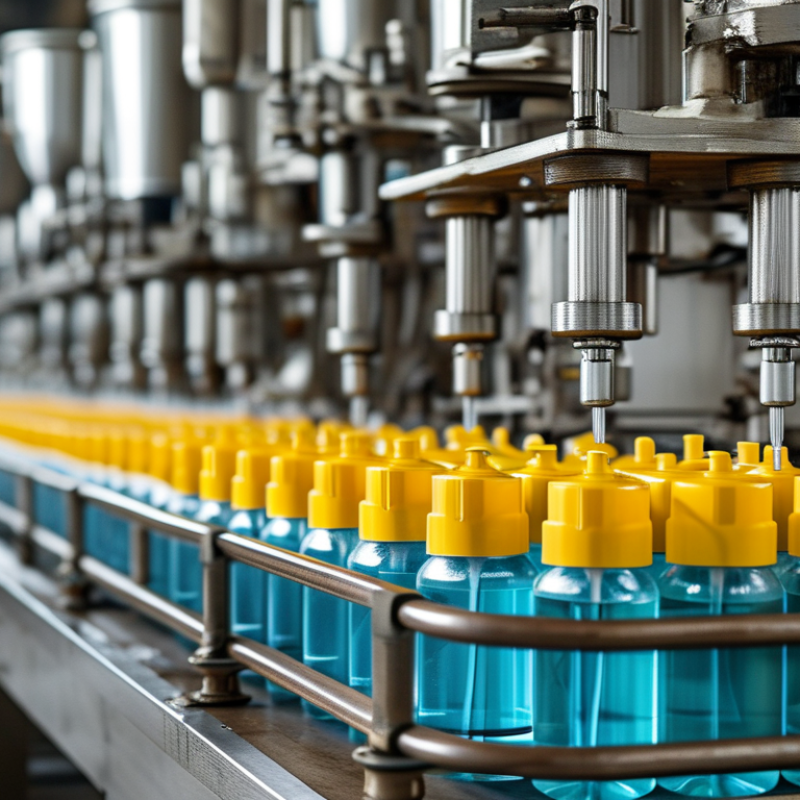
A liquid soap filling machine is an essential tool in the personal care and cleaning product industries. It automates the packaging process, increasing efficiency and consistency. These machines are designed to handle a variety of liquid soap formulations, including thick gels and thinner solutions. According to a recent market report, the global liquid filling machine market is projected to grow at a CAGR of 4.5% through 2027. This growth underscores the importance of automation in meeting consumer demand.
The operation of a liquid soap filling machine typically involves several key components. These machines use pumps to dispense the desired volume of liquid into bottles or containers. Sensors ensure precision, minimizing waste. It's interesting to note that some machines include features for labeling and capping, further streamlining the production line. However, not all machines are created equal. Some users report challenges with viscosity adjustments and inconsistent filling, highlighting the need for careful equipment selection and maintenance.
Innovation continues to drive the development of liquid soap filling machines. Advanced models now come equipped with touchscreen interfaces and data tracking capabilities. This allows operators to monitor production metrics in real-time. Despite the technology's benefits, some operators face difficulties in training staff adequately. As the industry evolves, continuous education will be vital for maximizing machine effectiveness and ensuring product quality.
| Feature | Description |
|---|---|
| Type | Automatic, Semi-Automatic |
| Capacity | 50 to 200 bottles per minute |
| Filling Accuracy | ±0.5% to ±1% |
| Filling Volume | 50 ml to 5 liters |
| Power Supply | 220V, 50Hz or 110V, 60Hz |
| Control System | PLC with touchscreen interface |
| Construction Material | Stainless steel, non-corrosive |
| Applications | Liquid soaps, shampoos, detergents |
| Maintenance | Regular cleaning and lubrication required |
: It automates the packaging process for personal care and cleaning products.
They increase efficiency and consistency while minimizing waste.
Yes, they can manage thick gels and thinner liquids.
Touchscreen interfaces and real-time data tracking improve monitoring.
Users report viscosity adjustments and inconsistent filling issues.
Improper handling can lead to mistakes and production errors.
They are used in personal care, household cleaning, and industrial cleaning.
Regular maintenance is needed to prevent issues like clogging.
Increased demand makes these machines essential for mass production.
Continuous education is needed to maximize effectiveness and quality.
A Liquid Soap Filling Machine is a specialized equipment designed for accurately dispensing and packaging liquid soap into containers. These machines typically consist of several key components, including a hopper for holding the liquid, a filling nozzle, pumps, and control systems that ensure precise filling. The operating principles of these machines involve using either gravity or pressure to direct the flow of liquid soap, maintaining consistency and reducing waste during the filling process.
Liquid Soap Filling Machines are widely used across various industries, such as personal care, household products, and industrial cleaning solutions. As technology evolves, there are significant market trends focusing on automation, efficiency, and sustainability, promoting advancements in filling technology to meet growing consumer demands and environmental standards. These developments indicate a promising future for the liquid soap filling industry, making it an integral part of product packaging solutions.
