
Choosing a Packing Machine for international operations requires more than comparing prices online. Buyers must understand product characteristics, production targets, packaging materials, and local operating conditions. A machine that performs well in one factory may struggle with another product’s moisture, shape, weight, or filling speed. Real experience matters here. Watching a live demonstration can reveal sealing wrinkles, uneven fills, noisy conveyors, or slow changeovers that brochures often hide.
This guide presents 10 practical Packing Machine buying tips for global buyers. It considers capacity, automation, machine flexibility, sanitation, energy use, spare parts, technical support, documentation, and total ownership cost. Reliable suppliers should provide clear specifications, test results, warranty terms, and customer references. Buyers should also confirm applicable safety, electrical, labeling, and product-contact requirements before placing an order. A professional inspection can prevent expensive surprises after installation. Small details matter.
No checklist is perfect.
A spreadsheet cannot replace testing your actual product. Even experienced teams may underestimate operator training, shipping damage, or future format changes. That is why careful buyers should request sample runs, review maintenance access, and calculate realistic output rather than advertised maximum speed. The following tips are designed to support informed decisions, reduce avoidable risks, and build stronger supplier relationships across borders. Some recommendations may need adjustment for your industry, budget, and market. That is normal. A thoughtful buying process leaves room for evidence, questions, and revision.
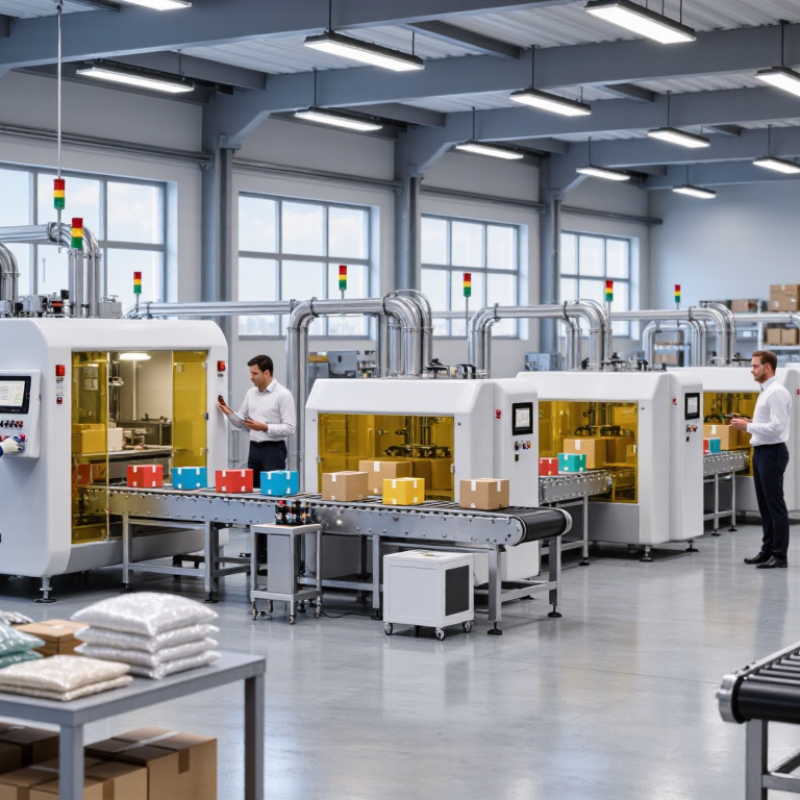
Before comparing packing machines, define the product in measurable terms. Record its shape, density, moisture, temperature, and flow behavior. Powder may bridge inside a hopper, while sticky granules can resist accurate feeding. Fragile snacks need gentle handling and limited drop heights. Small details matter. Product testing should use real samples, not only supplier specifications.
Next, select the packaging format and explain its physical limits. Decide whether the product needs pouches, sachets, trays, bottles, or cartons. Specify film thickness, seal width, pouch dimensions, and closing method. A narrow seal may fail when powder enters the sealing area. Ask for seal-strength tests and sample packages from several production runs. I once saw a machine pass a short trial but struggle after hours of continuous operation.
Production requirements should include target speed, fill accuracy, shift length, labor availability, and future capacity. State the expected output in finished packs per minute, not an impressive theoretical cycle. Confirm changeover time between different sizes and cleaning access around contact parts. Check whether operators can adjust settings without advanced training. Energy use, compressed-air quality, spare parts, and service response also affect reliability. Some estimates will be imperfect, so leave room for seasonal product changes and slower maintenance days.
Machine type should match the product, package, and production rhythm. Vertical form-fill-seal machines suit grains, powders, and small snacks. Horizontal systems often handle solid products and attractive retail packs. Premade pouch machines offer flexible pouch shapes but may require higher labor costs. Vacuum machines protect suitable products, although they can slow the packaging cycle. Do not choose by appearance alone. Request a sample test using your actual material and film.
Capacity figures need careful reading. A supplier may quote maximum speed under ideal conditions. Your real output can drop with frequent size changes, fragile products, or uneven feeding. Check packs per minute, fill accuracy, sealing temperature, and changeover time. Measure the available floor space, power supply, compressed air, and operator access. Small details matter.
Automation should follow your team and service resources. Automatic feeding, weighing, coding, inspection, and carton packing can reduce repetitive work. However, more automation brings higher costs and more parts to maintain. Ask whether local technicians can support installation and training. Review spare-part availability and cleaning procedures before purchase. A touchscreen may look impressive, but simple controls can be more reliable in dusty environments.
I once underestimated changeover time on a busy line. That mistake affected the whole shift. Build a pilot run into the decision, and record every delay.
10 Packing Machine Buying Tips for Global Buyers
Material compatibility should guide the purchase, not the showroom appearance. Test the actual film, pouch laminate, powder, liquid, or granules before approving the machine. Check sealing temperature, friction, moisture, particle size, and chemical resistance. A material that runs smoothly for ten minutes may fail after four hours. Request trial results, sample packs, seal-strength readings, and changeover times. Confirm that product-contact parts match destination-market requirements. Stainless steel grade, gasket material, and cleaning access matter greatly.
Quality standards also need evidence. ISO’s 2023 Survey recorded more than one million ISO 9001 certificates worldwide, but certification alone does not prove machine quality. Ask for traceable inspection records, calibration certificates, risk assessments, and documented factory acceptance testing. Review electrical safety, guarding, emergency stops, and software access. Require performance data under realistic production conditions. Fast is not always reliable. An impressive demonstration can hide difficult maintenance.
Durability depends on design details and after-sales readiness. Examine welds, bearings, pneumatic components, cable routing, and corrosion protection. Ask for mean time between failures, preventive-maintenance intervals, spare-parts availability, and remote-support response times. PMMI industry reports continue to identify labor shortages and equipment uptime as major packaging concerns, making simple operation increasingly valuable. A useful rule is to calculate total cost over five years, not only the purchase price. It is imperfect, though. Unexpected materials, operator habits, and shipping delays can change the result. Test those assumptions before signing.
A reliable supplier should prove more than a polished website. Ask for its legal company details, factory address, production history, and recent customer references. Request a live video tour showing assembly, testing, and quality-control records. Photos can mislead. I learned this after trusting an impressive presentation that revealed little about actual production capacity.
Tips: Verify every certification with the issuing organization. Check whether it covers the exact machine model, electrical system, and destination market. Do not accept a certificate number without supporting documents. Ask for inspection reports, risk assessments, and material specifications. A supplier that answers clearly usually understands its responsibilities.
Service can decide whether a machine earns money or sits idle. Confirm installation support, operator training, response times, and remote troubleshooting methods. Request service terms in writing, including working hours and escalation contacts. Spare parts need equal attention. Ask for a recommended two-year parts list, prices, availability, and delivery estimates. Critical sensors, seals, belts, and control components should be identifiable by part number. Keep a small stock on site.
Tips: Test the supplier before signing. Send detailed technical questions and measure the response. Fast replies are useful, but accurate replies matter more. I would also request a sample run using your packaging materials. It may expose feeding problems early. No supplier is perfect, and my own checklist has missed small details before. A second technical review can prevent expensive regret.
A packing machine’s quoted price is only the starting point. Build a landed-cost worksheet before comparing suppliers. Include tooling, spare parts, export crating, insurance, duties, port fees, inland transport, installation, training, and local taxes. UNCTAD reports that maritime shipping carries over 80% of global merchandise trade by volume. Delays at one port can therefore affect the entire investment schedule. Ask for two freight scenarios, not one. Prices change.
The World Bank’s Logistics Performance Index 2023 surveyed 4,090 logistics professionals across 139 economies. Its findings show that customs, infrastructure, and shipment reliability differ widely between markets. Check the machine’s dimensions, weight, voltage, compressed-air demand, and unloading requirements. A container may arrive, but your facility might lack a suitable crane or electrical capacity. This mistake is common. Confirm Incoterms, documentation, warranty coverage, and response times in writing.
Calculate ROI with measured production data, not optimistic promises. Use this formula: annual financial gain divided by total installed cost. Count labor savings, lower material waste, higher throughput, and reduced downtime. Then subtract maintenance, energy, film changes, financing, and operator training. The International Energy Agency notes that industrial motors and systems remain major electricity users, so compressed air and motor efficiency deserve attention. A realistic payback period may be longer than expected. That is not failure; it is better planning. Run a small production trial, record actual speed and waste, and revise the model before signing.
The machine must handle your actual film, laminate, powder, liquid, or granules. Showroom appearance proves little.
Check sealing temperature, friction, moisture, particle size, and chemical resistance.
Review steel grades, gasket materials, cleaning access, and corrosion resistance.
Request traceable inspection records, calibration certificates, risk assessments, and factory acceptance tests.
Inspect welds, bearings, pneumatic parts, cable routing, and corrosion protection.
Include purchase price, maintenance, spare parts, downtime, training, shipping, and expected material changes.
Request legal company details, a factory address, production history, and recent customer references.
Get installation support, training, response times, troubleshooting methods, and escalation contacts in writing.
Choosing the right Packing Machine is an important investment for global buyers, and the decision should begin with a clear understanding of the product, packaging format, output targets, and production environment. Compare suitable machine types by capacity, operating speed, flexibility, automation level, control systems, and maintenance requirements. It is also essential to confirm that the equipment works well with the intended packaging materials while meeting relevant quality, safety, hygiene, and durability expectations.
Before placing an order, carefully evaluate the supplier’s reliability, technical experience, certifications, customer support, warranty terms, and spare-parts availability. Buyers should also calculate the complete cost, including the machine price, customization, shipping, insurance, taxes, installation, training, energy use, and future maintenance. A practical return-on-investment analysis can help determine whether the machine will improve efficiency, reduce labor or material waste, and support long-term production growth.
