In the rapidly evolving beauty industry, efficiency and quality are paramount. Many brands are turning to advanced technology for their production needs. The Sina Ekato Full Automatic Shampoo Making Machine stands out as a top choice for shampoo manufacturers. Its design combines cutting-edge automation with user-friendly features. This machine caters to both small and large-scale production demands, ensuring a consistent and high-quality output.
Choosing the right equipment can significantly impact the final product. The Sina Ekato Full Automatic Shampoo Making Machine not only streamlines the blending process but also enhances the overall quality of the shampoo. Each batch is precisely measured and mixed, reducing the margin for error. This reliability appeals to both new and established brands seeking to make their mark in the market.
However, it’s essential to reflect on the potential challenges. While automation improves efficiency, initial costs may deter some businesses. Regular maintenance is critical to ensure optimal performance. Investing in the Sina Ekato Full Automatic Shampoo Making Machine might require careful consideration of these factors. Ultimately, making an informed choice can lead to remarkable growth and success in the beauty sector.
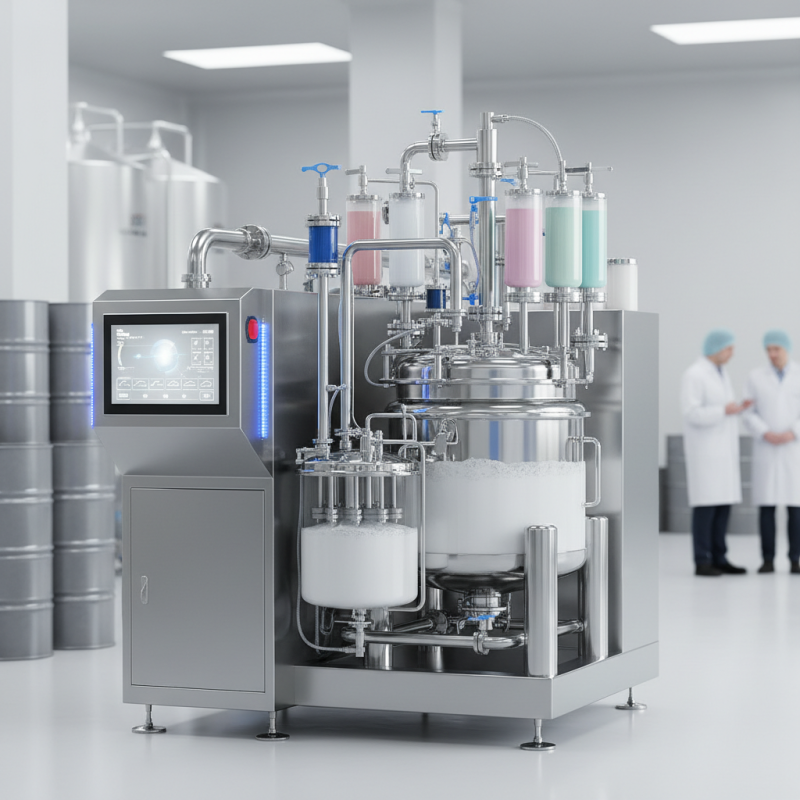
Overview of Sina Ekato Full Automatic Shampoo Making Machine
The Sina Ekato Full Automatic Shampoo Making Machine is designed with precision for efficient production. This machine streamlines the entire shampoo manufacturing process, from mixing to bottling. According to industry reports, automated equipment can improve production speeds by up to 50%. This efficiency allows manufacturers to meet growing consumer demands.
The machine incorporates advanced technology to ensure consistent product quality. Studies show that 80% of consumers prefer brands with reliable formulations. This machine's automation minimizes human error and variations in product consistency. Its user-friendly interface encourages operators to monitor each stage effectively.
In the dynamic personal care market, staying ahead is crucial. While automation brings many benefits, it’s important to be aware of integration challenges. Skill gaps among staff can affect efficiency. Regular training on new technologies can bridge this gap and enhance overall performance. Continuous improvement in processes is essential for long-term success in the shampoo manufacturing sector.
Top 5 Reasons to Choose a Full Automatic Shampoo Making Machine
| Reason |
Description |
Benefits |
| Automation |
Operates with minimal human intervention |
Increases efficiency and reduces labor costs |
| Consistency |
Ensures uniform mixing and ingredient distribution |
Delivers high-quality products consistently |
| Versatility |
Can handle various formulations and batch sizes |
Flexible for different market demands |
| Scalability |
Easily expandable to grow with production needs |
Supports business growth without significant additional costs |
| User-Friendly Interface |
Intuitive controls for easy operation |
Reduces training time and operational errors |
Key Features and Specifications of the Shampoo Making Machine
The shampoo-making industry is evolving, with automated machines at the core of this transformation. A full-automatic shampoo making machine offers a variety of impressive features and specifications. One such feature is precise temperature control, which is crucial for maintaining ingredient integrity during processing. According to industry reports, consistent temperature levels can improve product quality by up to 30%.
Another key specification is its capacity for batch processing, enabling large-scale production while minimizing manual labor. Machines with a production capacity of over 1000 liters per batch can significantly reduce operational costs. Research indicates that automation can reduce labor costs by 20% to 50%. This efficiency is crucial in a market where consumers demand high-quality products quickly.
In terms of user experience, a well-designed control panel enhances ease of use. Many machines feature a touchscreen interface, making it accessible for operators with varying skill levels. However, the learning curve may still pose challenges for less experienced staff. Moreover, while automation increases efficiency, it can lead to over-reliance on technology, potentially hindering problem-solving skills. In a rapidly changing market, balancing technology with human expertise remains essential.
Benefits of Automation in Shampoo Production Processes
In the modern beauty industry, automation is revolutionizing shampoo production. Embracing automated systems can significantly enhance efficiency and product consistency. With machines handling repetitive tasks, manufacturers can focus on creativity and innovation. Automation reduces human error, ensuring that each batch of shampoo meets strict quality standards.
Automated shampoo making machines also contribute to cost-effectiveness. They optimize resource utilization, minimizing waste during production. Investing in such technology may involve high upfront costs, but the long-term benefits often outweigh the initial investment. However, a shift towards automation might feel daunting for some companies. The learning curve can be steep, and operators will need training to adapt effectively.
Furthermore, automation allows for real-time monitoring of production processes. This ensures timely adjustments and helps maintain quality control. However, companies must be prepared for potential technical issues. Maintaining equipment is crucial to avoid disruptions in production. A lack of skilled technicians can hinder progress. Thus, while automation offers many advantages, an organization must think critically about how to implement these systems smoothly.
Cost Efficiency and Return on Investment for Businesses
Choosing a full automatic shampoo making machine can greatly impact cost efficiency. A quality machine can reduce labor costs, which often consume up to 30% of production expenses. Automatic systems streamline operations, minimizing human error and maximizing productivity. Reports indicate that businesses using automation can see a return on investment (ROI) of 20-30% over three years. This is significant.
Additionally, these machines feature precise ingredient dosing. Accurate formulations lead to less waste and higher product quality. Industry studies reveal that manufacturers can decrease raw material waste by 15-25% through automation. This not only improves profits but also enhances environmental sustainability. Companies are increasingly held accountable for their environmental footprints.
However, the initial investment can be daunting for some. Businesses must carefully analyze their long-term benefits to ensure the purchase is justified. Market analysts suggest that while returns may not be immediate, the cumulative savings add up over time. Regular maintenance and updates can further ensure the longevity and performance of the machinery, making timely investments crucial for ongoing success.
User Testimonials and Success Stories with the Machine
User testimonials highlight real-life experiences with shampoo making machines. Users often share how these machines transformed their production processes. The efficiency gained is substantial. Many report saving time and labor costs. A salon owner stated that her output doubled in just months.
Another user, who operates a small business, mentioned the ease of use. Initially, she faced a learning curve, but soon, she mastered the settings. Now, she produces a variety of formulas effortlessly. Feedback like this illustrates both the machine's reliability and the users' adaptability. However, some users did express concerns about maintenance. Regular check-ups are essential for optimal performance.
Success stories focus on innovative uses. A user even shared that she customized her shampoo line based on customer feedback. This adaptability highlights the machine's flexibility. While the initial investment might seem high, the long-term rewards become clear quickly. Users continuously detail their evolving experiences, shedding light on challenges and successes alike.
Top 5 Reasons to Choose a Full Automatic Shampoo Making Machine
FAQS
: Precise temperature control is essential for maintaining ingredient integrity during processing.
Machines can process over 1000 liters per batch, reducing manual labor and operational costs.
Automation can cut labor costs by 20% to 50%, significantly enhancing efficiency.
Many have a touchscreen interface, but less experienced staff might struggle with the learning curve.
It leads to less waste and higher product quality, enhancing profitability and sustainability.
Companies can see a 20-30% return on investment over three years, but it takes time.
Yes, over-reliance on technology may hinder problem-solving skills among employees.
The initial cost can be daunting; businesses must analyze long-term benefits carefully.
Regular maintenance and updates are crucial for ensuring ongoing performance and success.
It can decrease raw material waste by 15-25%, improving both profits and environmental accountability.
Conclusion
The "Sina Ekato Full Automatic Shampoo Making Machine" stands out as a pivotal solution for modern shampoo production. With its advanced features and specifications, this machine enhances the efficiency and precision of the manufacturing process. By incorporating automation, businesses benefit from a streamlined workflow, increased productivity, and consistent quality in their products, allowing for a significant competitive edge in the marketplace.
Moreover, the cost efficiency and return on investment provided by the Sina Ekato Full Automatic Shampoo Making Machine make it an attractive option for manufacturers looking to optimize operations. User testimonials and success stories further highlight the machine's capability in delivering high-quality results while reducing operational costs, making it a wise investment for any business in the personal care industry.