When selecting a Cosmetic Filling Capping Labeling Machine, the decision can feel overwhelming. With the variety of machines available, making the right choice is crucial for efficiency and quality. Understanding the specific needs of your production line is the first step. Various factors influence this choice, from manufacturing volume to product type.
Consider the speed and precision of the machine. A reliable machine should minimize downtime while maintaining high accuracy. Explore the features offered by different models. Does it accommodate various container sizes? Can it seamlessly integrate into your existing workflow? These details matter significantly.
Reflecting on your unique requirements is essential. Each business has distinct products and packaging processes. Skipping this analysis may lead to costly inefficiencies. Invest time in researching and comparing options. A well-informed decision promises not only operational efficiency but also enhanced product presentation, ultimately impacting customer satisfaction.
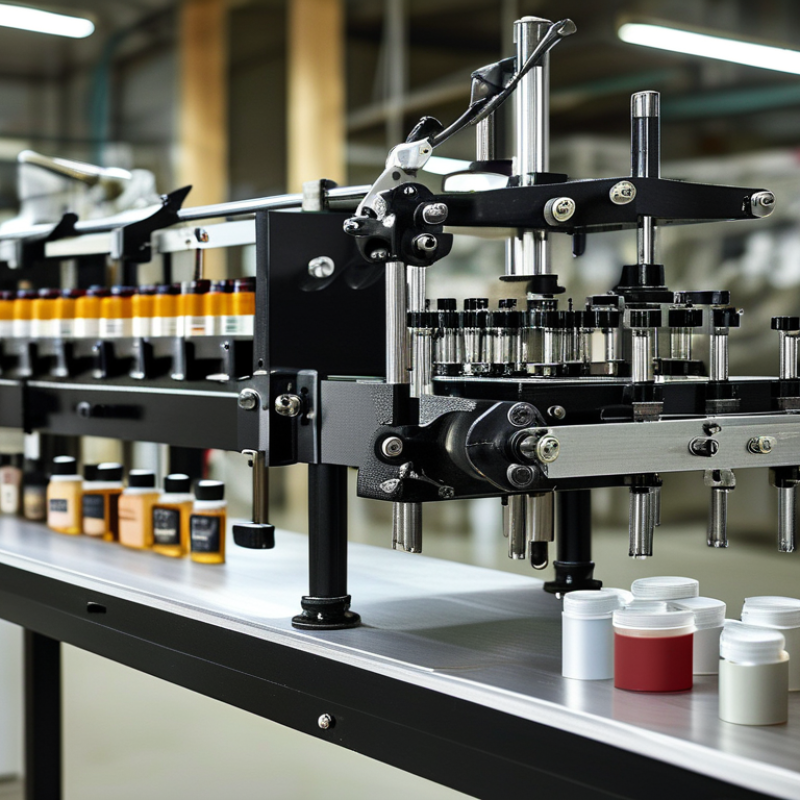
Understanding the Types of Cosmetic Filling Capping Labeling Machines
Choosing a suitable cosmetic filling capping labeling machine is crucial for efficiency. Various types exist, tailored for different production needs. Common types include volumetric fillers, piston fillers, and gravity fillers. Each machine serves unique purposes. For instance, volumetric fillers measure liquids using fixed volumes. They are ideal for consistent liquid products. On the other hand, piston fillers are versatile. They can handle thicker products like creams or gels.
When selecting a machine, consider the production speed. A 2022 industry report highlighted that machines capable of 100 bottles per minute reduced costs significantly. Speed-efficient machines help maintain product quality while increasing output. Don’t overlook the labeling aspect either. Correct labeling is essential for compliance and brand integrity.
Ensure you evaluate ease of use as well. Operators should feel comfortable managing the machine. Complicated machinery can lead to errors and downtime. It's also vital to consider the machine's adaptability. As market trends shift, a machine that can adapt easily will be beneficial.
As you explore options, remember that the initial price isn’t everything. Maintenance costs should be factored in, too. High maintenance can chip away at savings. Make an informed choice by evaluating all aspects thoroughly.
Evaluating Machine Speed and Production Capacity for Your Needs
When selecting a cosmetic filling capping labeling machine, evaluating machine speed and production capacity is crucial. According to recent industry reports, the average production speed for filling machines ranges from 30 to 120 bottles per minute. However, the ideal speed for your operations will depend on your specific output requirements. Balancing speed with accuracy is essential to minimize waste and ensure product integrity.
Production capacity should align with your business goals. For small to medium-sized businesses, machines with a capacity of 1,000 to 5,000 units per hour often suffice. Larger operations may require machines capable of exceeding 10,000 units per hour. It’s important to analyze past production data. If demand fluctuates, consider machines with adjustable speeds and modular designs. Investing in flexibility can save costs in the long run.
Not all machines are built equally. Some may promise high speeds but sacrifice quality. This trade-off can lead to higher rejection rates and increased downtime. Regular maintenance is also a factor to consider; neglected equipment can hinder output. Your chosen machine should not only meet current demands but also allow for future growth and adaptability in your production line.
Evaluating Machine Speed and Production Capacity for Your Needs
Assessing the Quality and Precision of Filling and Capping Mechanisms
When choosing a cosmetic filling capping labeling machine, quality and precision are paramount. According to a report from the International Society for Pharmaceutical Engineering, the accuracy of filling mechanisms can influence product integrity by up to 20%. This underscores the importance of selecting machines that guarantee precise dosaging, minimizing the risk of overfilling or underfilling.
The capping mechanism also plays a critical role in ensuring that products remain sealed during storage. Inaccurate capping can lead to leaks and spoilage, resulting in significant financial losses. A study published in Packaging Technology and Science highlights that about 15% of filled containers face sealing issues due to poorly calibrated machines. Investing in machines with reliable and adjustable capping features can significantly reduce this risk.
Ultimately, understanding the manufacturing process's intricacies is essential. Regular maintenance and calibration of these machines can help achieve desired accuracy levels. A survey by the Manufacturers Alliance for Productivity and Innovation revealed that about 30% of manufacturers reported issues due to neglected equipment. This points to the importance of not just purchasing high-quality machines, but also committing to their upkeep for optimal performance.
Considering Ease of Use and Maintenance Requirements
When considering a cosmetic filling, capping, and labeling machine, ease of use should be a priority. Operators benefit from straightforward controls. Intuitive interfaces can reduce errors and improve productivity. A user-friendly design can also minimize the training time required. Look for machines with clear instructions and visual aids.
Maintenance is another critical factor. A machine that requires frequent repairs can disrupt production. Opt for models known for their durability and low upkeep. Regular maintenance checks are essential. They help identify potential issues before they become major problems. Some devices even have built-in diagnostic features, which simplify troubleshooting.
Choosing the right machine involves understanding its features. Check for automatic cleaning systems that reduce manual labor. Additionally, assess the accessibility of critical components. They should be easy to reach for quick repairs or adjustments. It’s wise to read user reviews to gauge satisfaction levels. Real-world experiences reveal what works and what doesn’t.
Investigating Customer Support and Warranty Options from Manufacturers
Choosing the right cosmetic filling, capping, and labeling machine can be complex. Customer support and warranty options are crucial factors in this decision. Understanding how manufacturers handle these aspects can save you from future headaches. A responsive support team can minimize downtime. Look for manufacturers that prioritize quick response times and knowledgeable staff.
Warranty options provide peace of mind. A robust warranty indicates confidence in the machine's quality. Evaluate the terms carefully. Some manufacturers may offer limited coverage or exclude certain parts. Others might provide comprehensive plans. Ask about the duration and what it covers.
Reflect on your unique needs. Consider the possibility of future adjustments or upgrades. Some manufacturers may have better options for modifications than others. An adaptable machine can extend its lifespan. Ensure you clearly understand the manufacturer's commitment to ongoing support and service. This could be a game-changer for your business.
Top 5 Tips for Choosing a Cosmetic Filling Capping Labeling Machine
| Tip |
Description |
Customer Support Options |
Warranty Duration |
Availability of Spare Parts |
| 1. Evaluate Production Needs |
Assess the scale of your production to find a machine that meets your speed and capacity requirements. |
24/7 online support and phone assistance. |
2 years standard warranty. |
Spare parts available for up to 10 years post-purchase. |
| 2. Check for Customization Options |
Look for manufacturers that offer customization to fit specific product sizes and shapes. |
Dedicated account manager available for large orders. |
1 year warranty on customized parts. |
Custom parts can be ordered as needed. |
| 3. Inquire about Maintenance Services |
Regular maintenance is crucial for optimal machine performance; ensure the manufacturer offers comprehensive services. |
Annual maintenance packages available. |
Comprehensive warranty includes parts and labor for 3 years. |
Maintenance parts are stocked for quick replacement. |
| 4. Research Reviews and Testimonials |
Explore customer experiences to gauge reliability and performance of the machine. |
Responsive customer service team with good reviews. |
2 years limited warranty with an option to extend. |
Parts generally available within 48 hours of order. |
| 5. Confirm Compliance with Industry Standards |
Ensure the machine complies with relevant safety and quality standards for cosmetic products. |
Support for compliance certifications. |
Warranty covers compliance issues found within the warranty period. |
Compliance documentation included with all parts. |
Conclusion
When selecting a Cosmetic Filling Capping Labeling Machine, it's crucial to understand the various types available and how they align with your production needs. Start by evaluating the machine's speed and production capacity to ensure it meets your desired output levels. The quality and precision of the filling and capping mechanisms are vital, as they directly impact product consistency and consumer satisfaction.
Additionally, consider the ease of use and maintenance requirements to minimize downtime and operational difficulties. Finally, investigate the customer support and warranty options offered by manufacturers, as these factors can significantly affect your long-term investment. By carefully weighing these aspects, you can make an informed decision and enhance your cosmetic production line efficiently.