Industry Trends & Application Scenarios
1. Advanced Automation and Industry 4.0
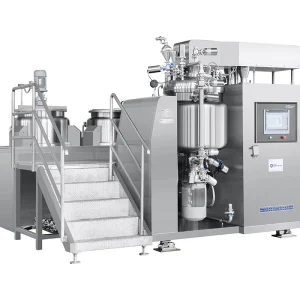
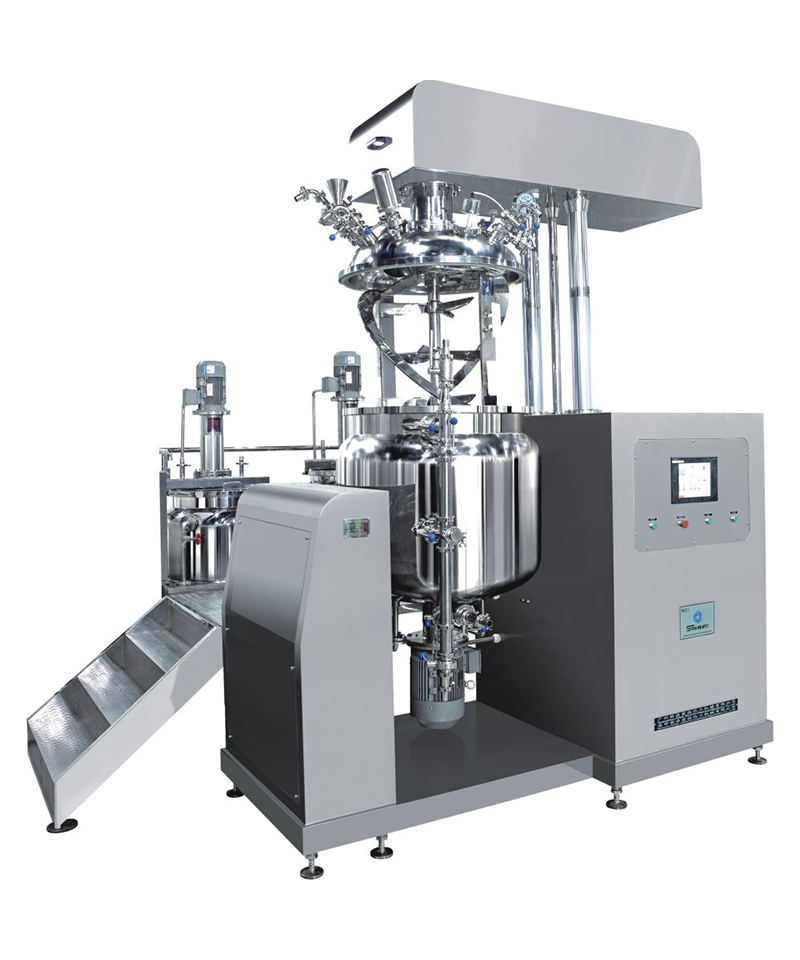
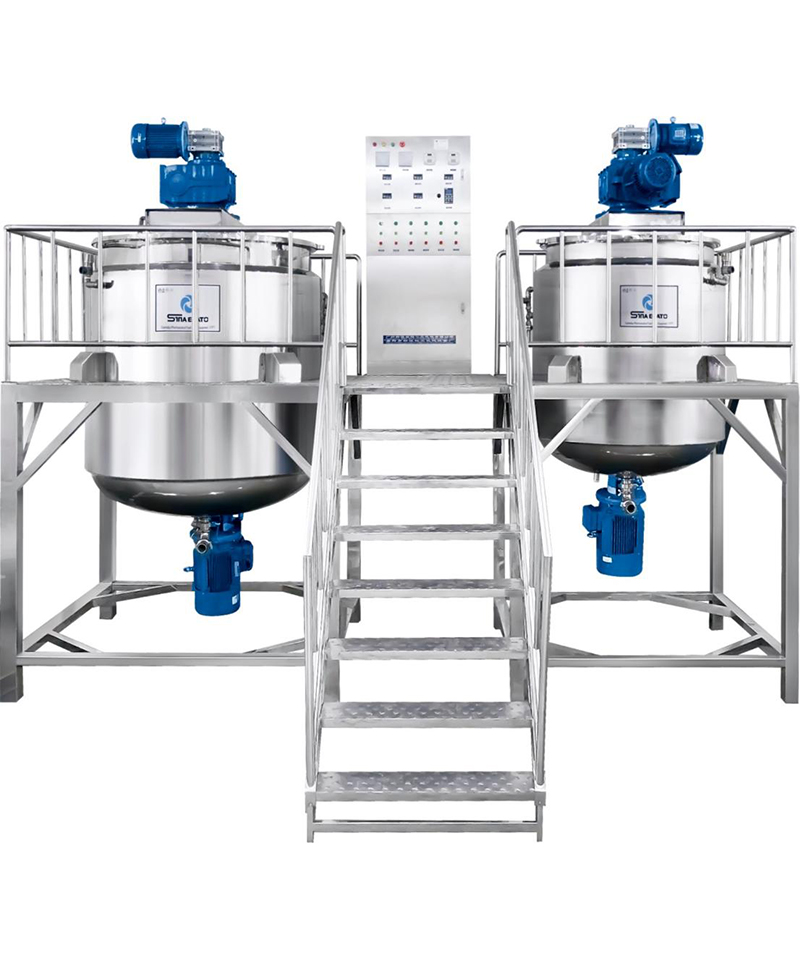
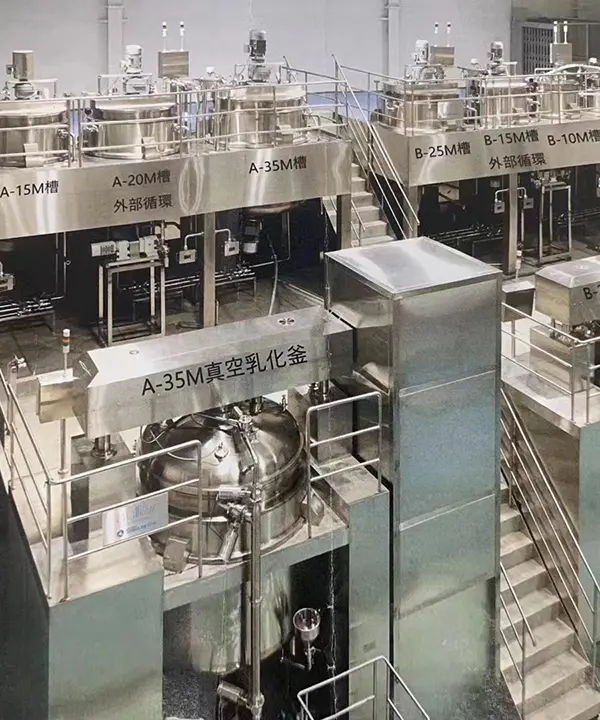
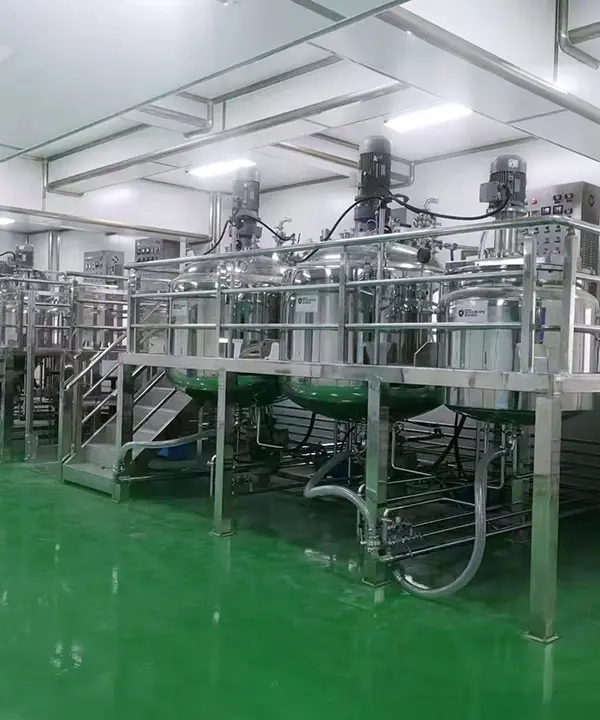
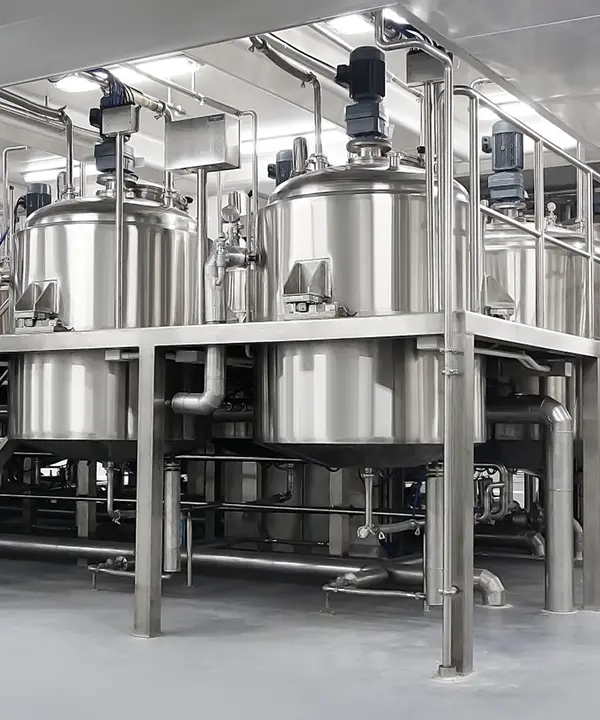
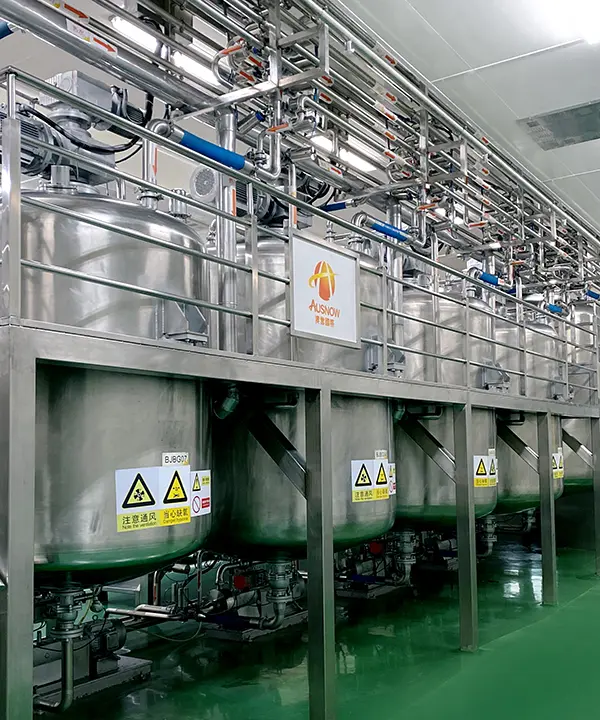
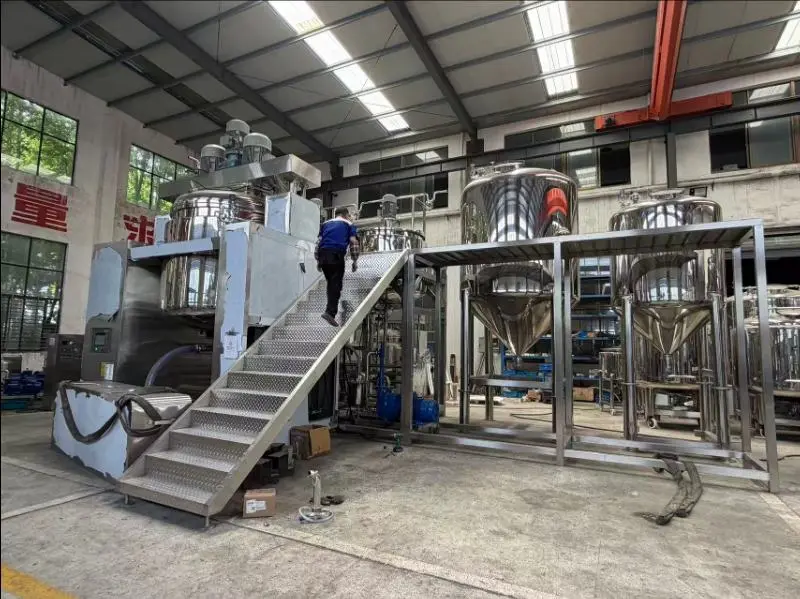
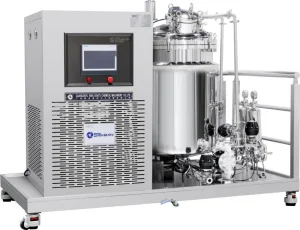
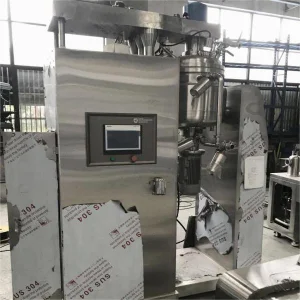
Modern process plants are shifting towards fully closed, zero-pollution environments. Modern mixing vessels incorporate PLC control cabinets (Siemens, Mitsubishi, or Allen Bradley) featuring HMI touchscreens. These systems allow operators to monitor variables like impeller speed, vacuum pressure, vessel temperature, and ingredient load cell weights in real time. Batch histories are tracked and exported, which is crucial for plants operating under FDA Title 21 CFR Part 11 and EU GMP annexes.
2. Localized Scenarios: Viscosity and Shear Control
Different fluid properties require specialized mixing kinetics.
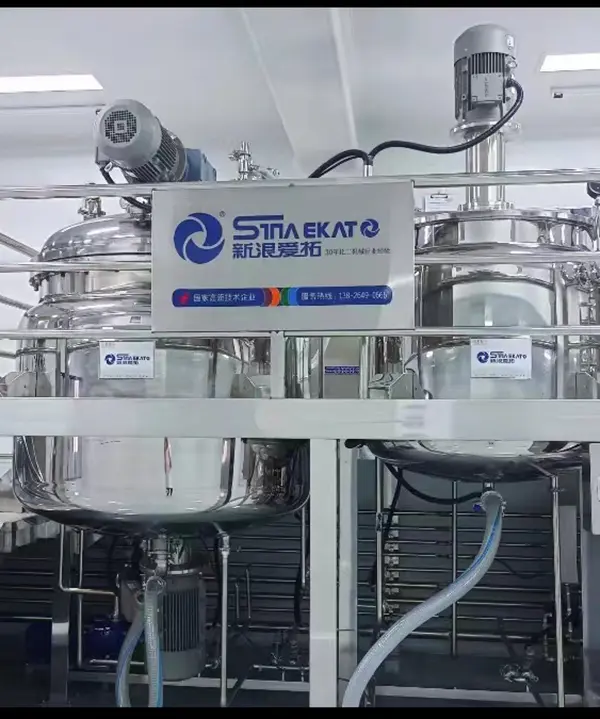
For low-viscosity applications like body washes, shampoos, and liquid soaps, high-speed dispersers running at 1440 RPM, paired with frame agitators, achieve fast homogenization.
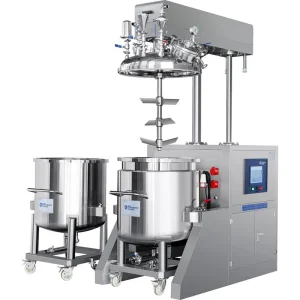
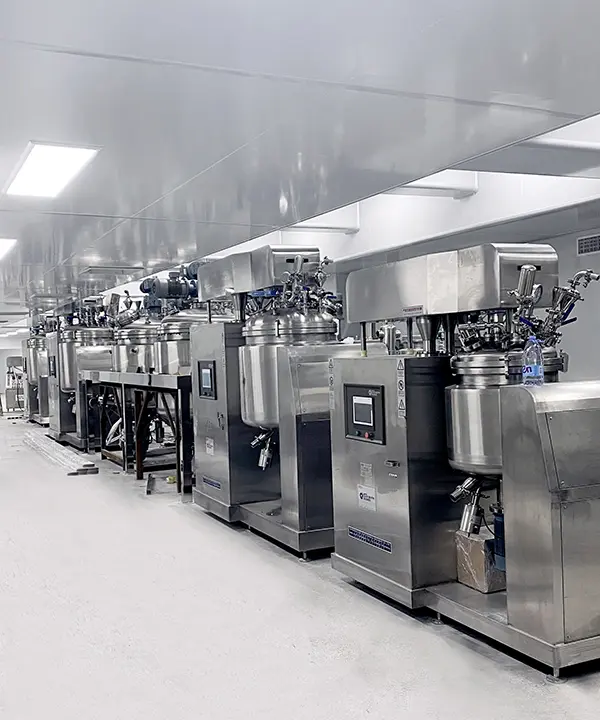
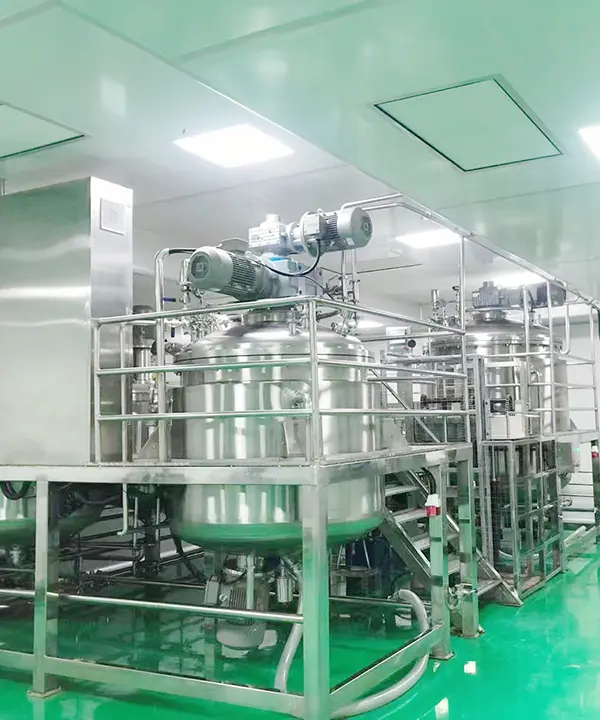
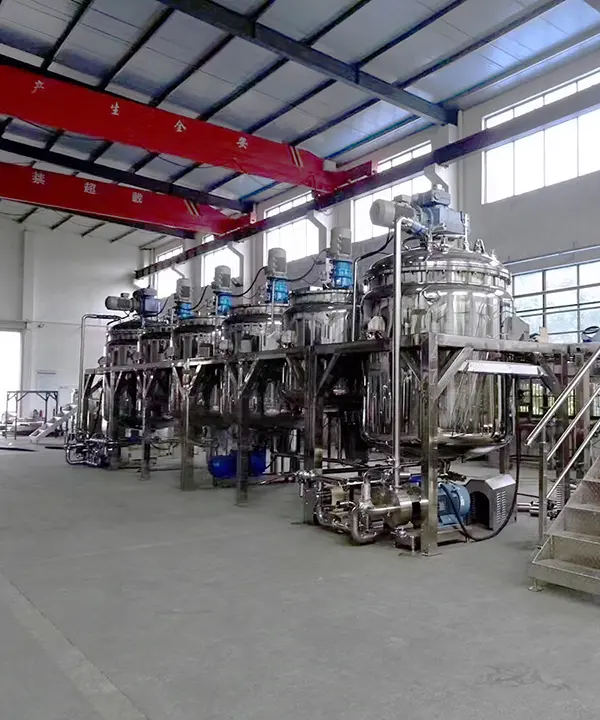
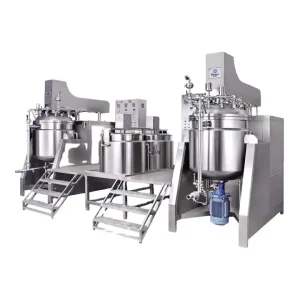
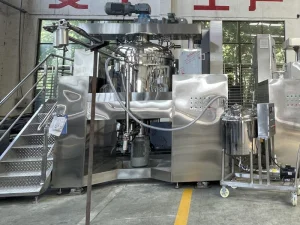
For high-viscosity emulsions like cosmetic makeup creams, heavy skin ointments, and medical pastes, a vacuum emulsifying mixer is needed. The vacuum system draws air bubbles out of the product during mixing, preventing cream oxidation and ensuring a smooth, air-free, high-density finish.
3. Green Energy Conservation and Clean-in-Place (CIP)
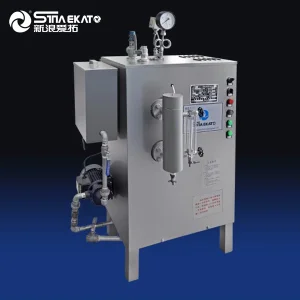
Operating costs are highly sensitive to energy usage. Modern jackets are designed for low steam consumption and efficient hot water recirculating pathways. Insulated layers wrapped in outer SS304 cladding prevent heat radiating into the plant floor, lowering HVAC loads. CIP integration, utilizing rotating spray balls, provides 360-degree high-impact cleaning, minimizing cleaning cycles and water waste.