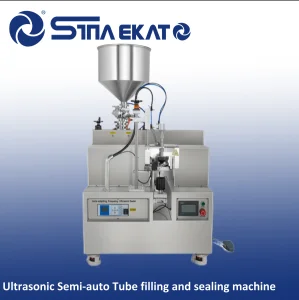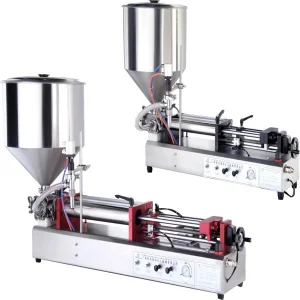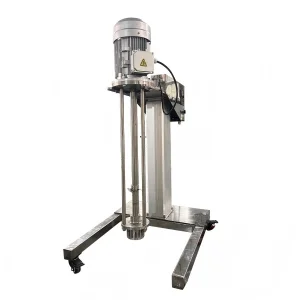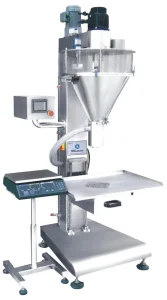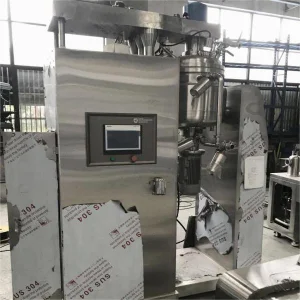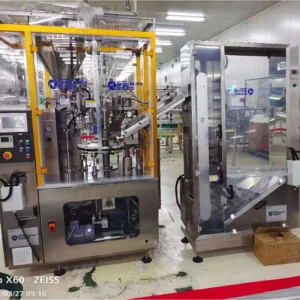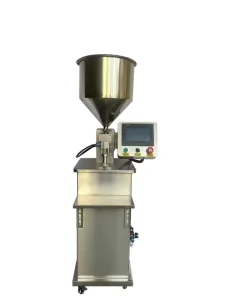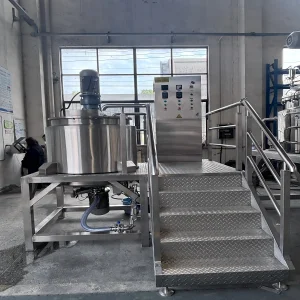
Advanced machinery designed for high-viscosity applications and hygienic processing.
In the modern manufacturing landscape, the Screw Pump has emerged as the cornerstone of "Gentle Transfer" technology.
As a leading CE Certification Screw Pump Manufacturer, SINAEKATO understands that today's high-viscosity products—ranging from cosmetic creams to pharmaceutical ointments—require precise, pulse-free delivery. Traditional centrifugal pumps often shear sensitive emulsions, compromising product integrity. The modern Progressive Cavity (PC) or Twin-Screw pump design ensures that complex rheological properties are preserved during the transfer process.
Information Gain: Unlike standard pumps, our CE-certified screw pumps utilize 316L stainless steel and food-grade elastomers, specifically engineered to handle non-Newtonian fluids. This is not just about moving liquid; it's about maintaining the molecular stability of your high-value formulations.
Every screw pump and filling line we produce adheres to the strictest CE, ISO9001, and GMP standards. This ensures seamless entry into European and North American markets.
The integration of smart sensors allows for real-time monitoring of flow rates and stator wear, predicting maintenance needs before they cause downtime.
Our pumps are designed for Clean-in-Place (CIP) and Sterilization-in-Place (SIP), minimizing cross-contamination risks in pharmaceutical environments.
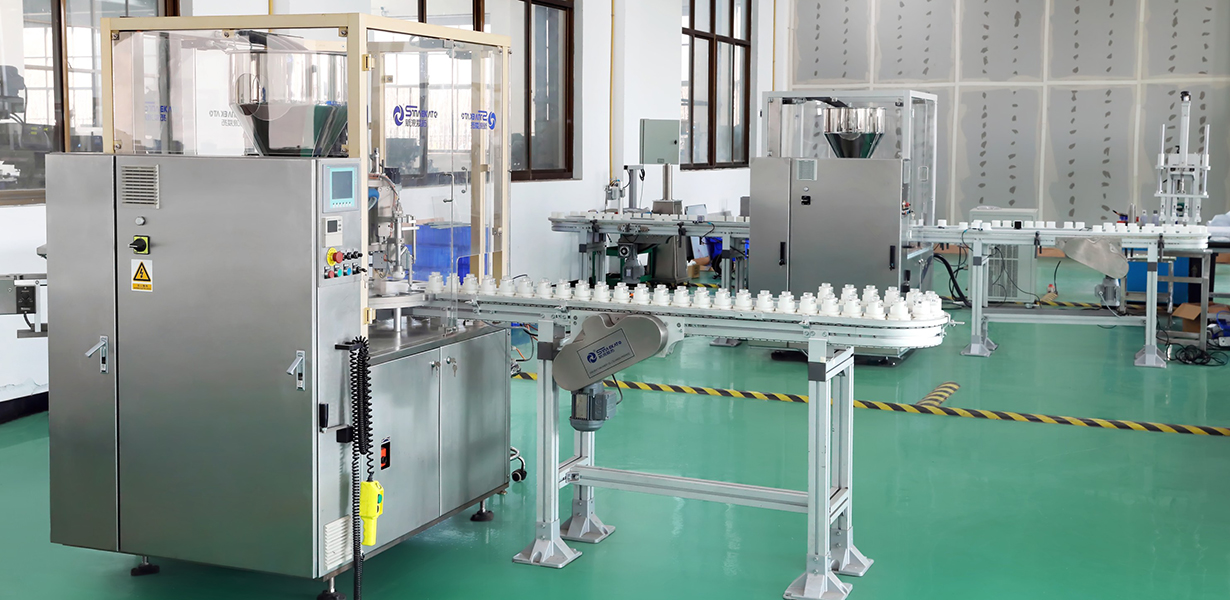
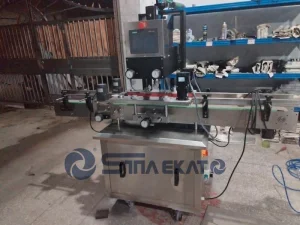
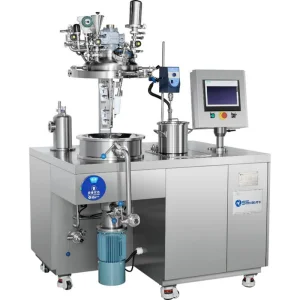
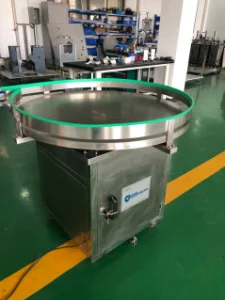
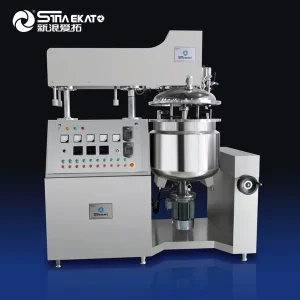
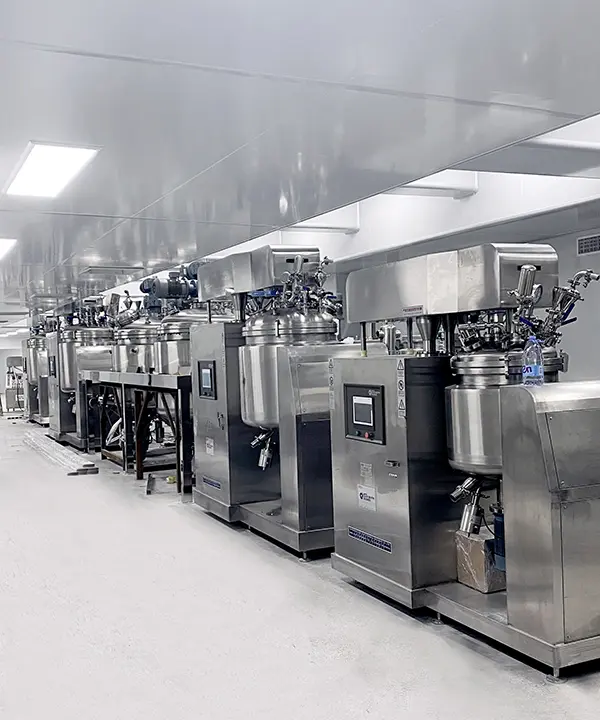
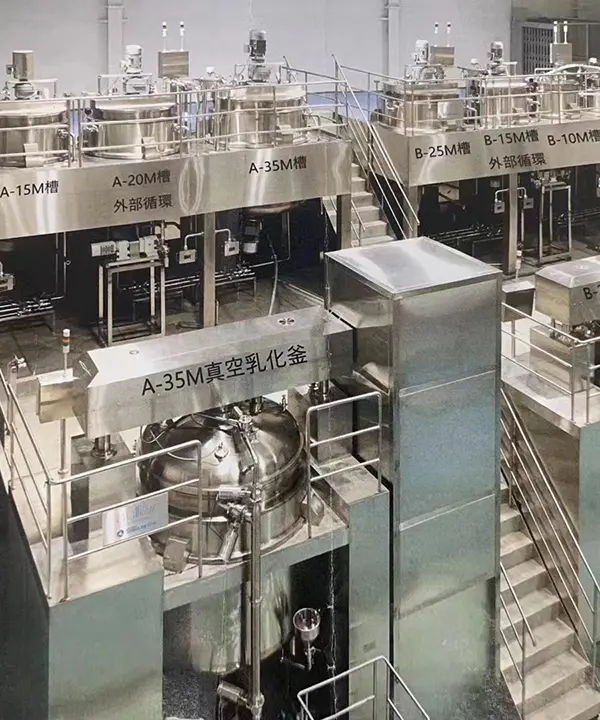
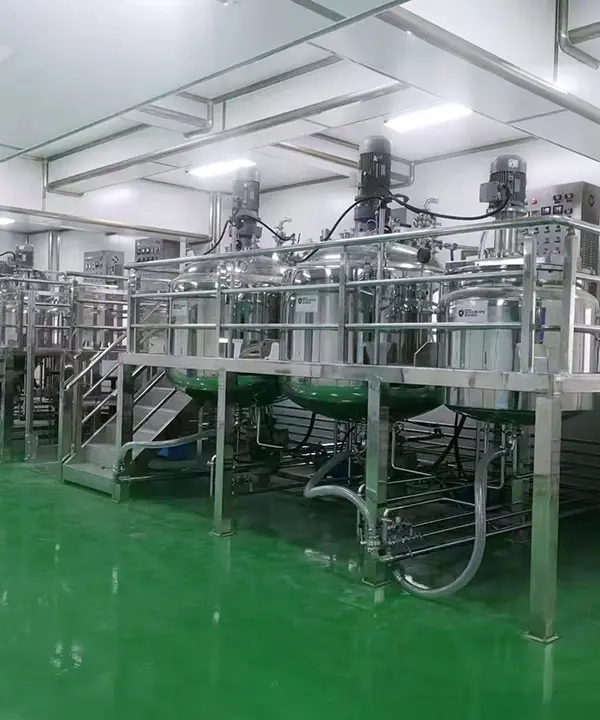
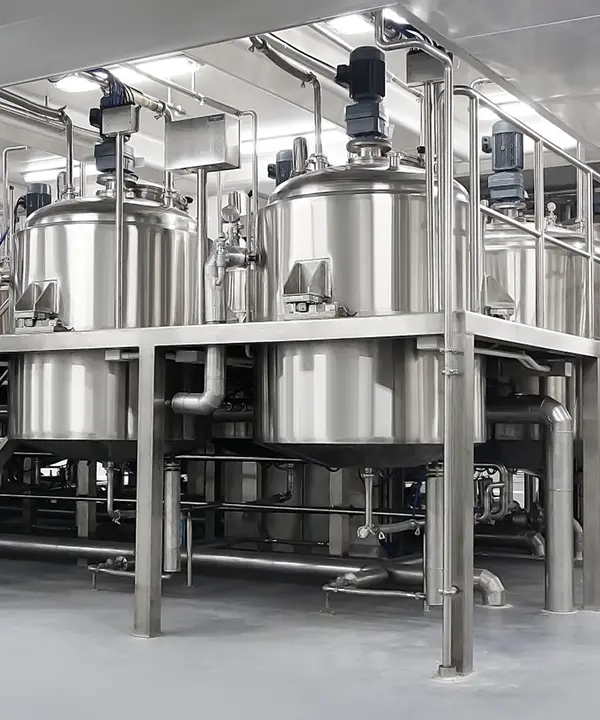
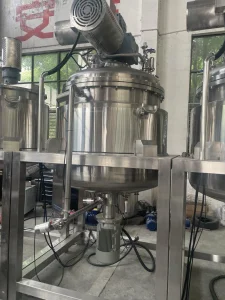
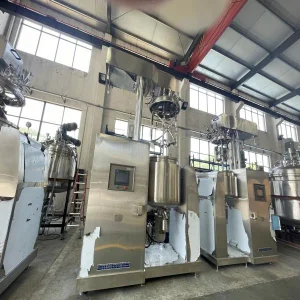
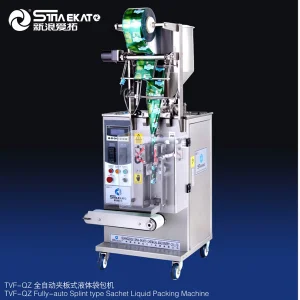
We don't just manufacture pumps; we engineer complete processing ecosystems. From the initial homogenization in our vacuum emulsifying mixers to the final filling stage, the screw pump acts as the heart of the system.
Years Experience
Patent Certificates
Daily Solutions
Quality Guarantee
Global Projects
Sourcing managers for Fortune 500 cosmetic and pharma companies look for more than just a low price. They require Verifiable Reliability. This is why our factory focus has always been on:
Professional Engineer Design;
Stable Quality Assurance;
On Time Delivery;
Best After-Sales Cooperation;
Effective Performance;
Grow With You For Mutual Development & Progress
Trusted by industry leaders in over 100 countries.
WE CAN PROVIDE: Patent Certificate / CE Certificate / ISO9001 / Stainless Steel 316L Certificate