Decoding the complexity of modern chemical and biological fluid processing.
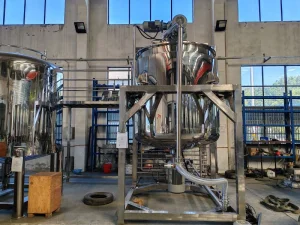
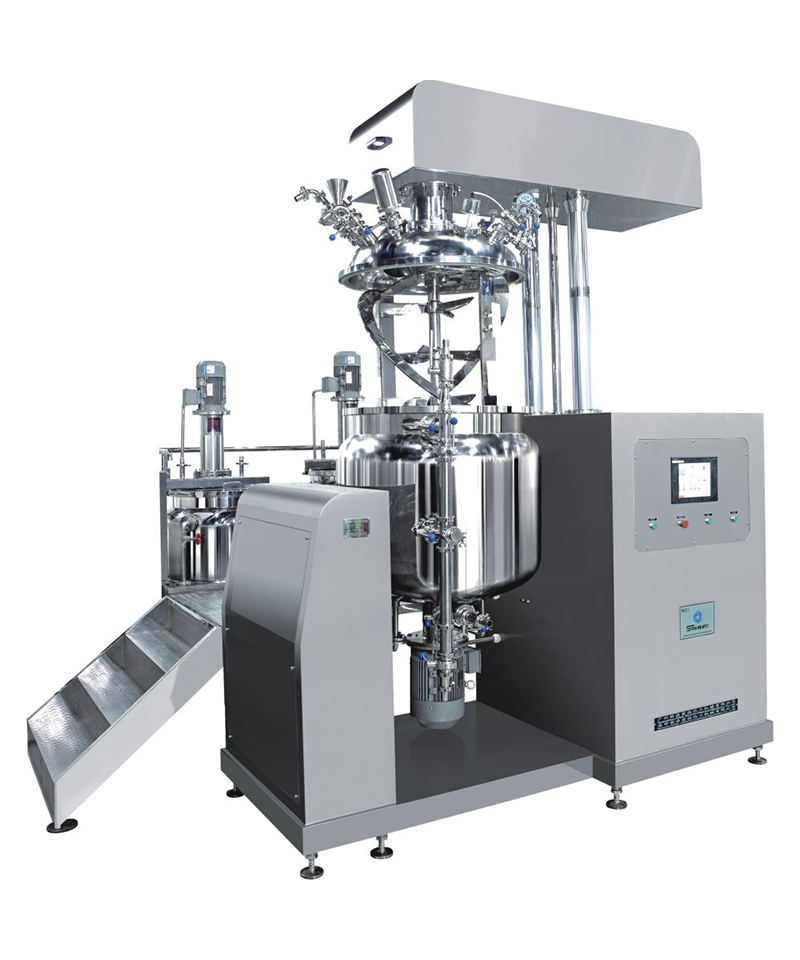
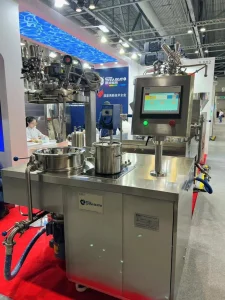
The global reagent mixing equipment market is currently experiencing a CAGR of 6.4%, driven by the rapid expansion of the biopharmaceutical and specialized chemical sectors. Suppliers are shifting from traditional stirred tanks to high-shear, vacuum-sealed systems to ensure zero contamination.
Modern factories are integrating AI-driven sensors to monitor viscosity in real-time. This "Smart Mixing" approach reduces energy consumption by 22% while increasing batch consistency across global manufacturing hubs in Asia, Europe, and North America.
With FDA and EMA standards becoming more rigorous, the demand for SS316L grade stainless steel and CIP (Clean-In-Place) automation has moved from "optional" to "mandatory" for any competitive factory or supplier.
Why industry leaders choose SinaEkato for their reagent mixing infrastructure.
Customized blueprints optimized for specific fluid dynamics.
Rigorous multi-stage testing before dispatch.
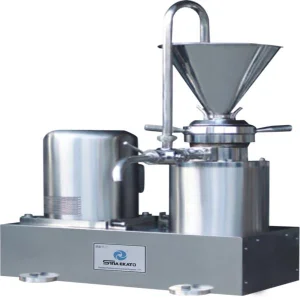
High-shear homogenization for ultrafine particle reduction.
After-sales and installation assistance across 65+ countries.

Navigating the next decade of mixing technology evolution.
Transitioning from fixed plants to "Plug & Play" modular mixing skids for rapid scale-up.
Utilizing CFD (Computational Fluid Dynamics) to simulate mixing results before physical production.
Development of vacuum-transfer systems to eliminate raw material wastage during the mixing-to-filling transition.
Integration of heat-recovery jackets and high-efficiency motors to meet ESG carbon-neutral goals.
Patent Certificate | CE Certificate | ISO9001 | Stainless Steel 316L
Tailored engineering for diverse localized application scenarios.
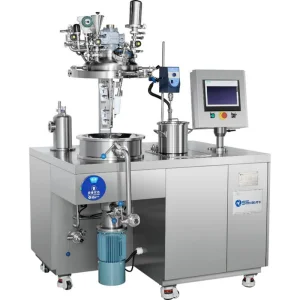
Localized reagent mixing for diagnostic kits and vaccine research requires sterile environments and precise temperature control. Our vacuum homogenizers ensure bubble-free results crucial for optical analysis reagents.
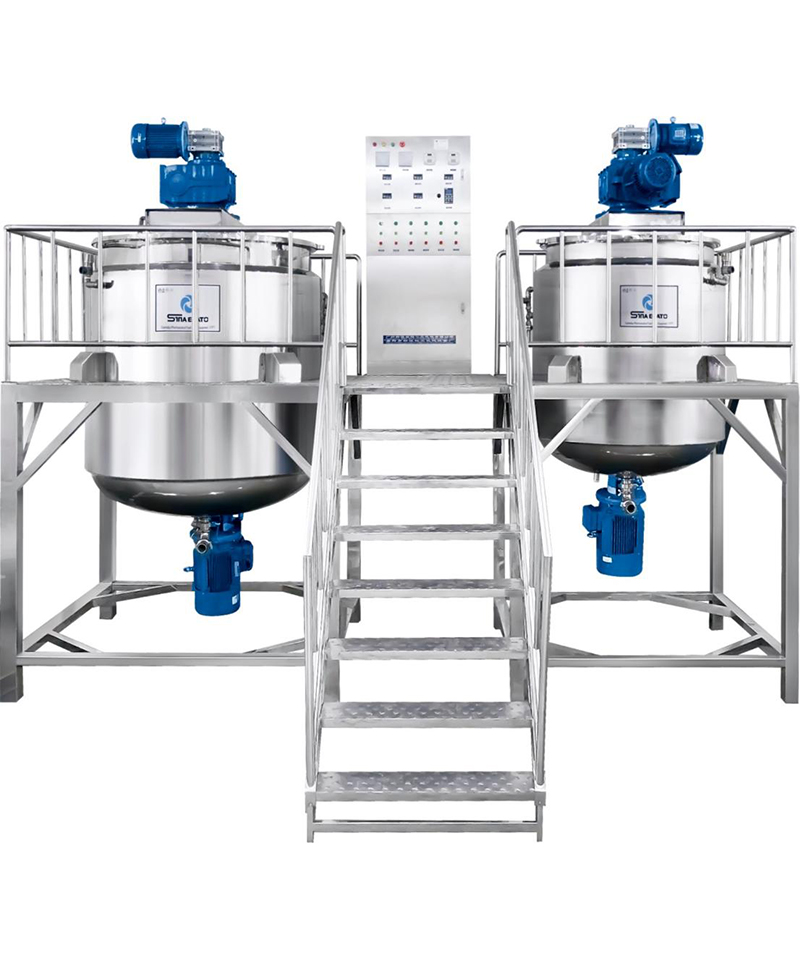
Scaling from a 5L lab batch to 5000L industrial production. Our solutions focus on maintaining rheological properties across different scales, vital for global brands in Korea, France, and the USA.
For high-viscosity adhesives or specialized coatings, our counter-rotating agitators provide the torque and shear necessary to achieve perfect molecular distribution.
Years Excellence
Export Countries
Annual Projects
FAT Success Rate
Square Meters Factory
Demonstrating our authority through successful international implementations.





Expert answers to the most common technical inquiries.
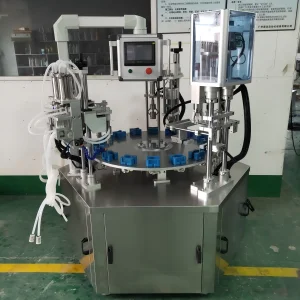
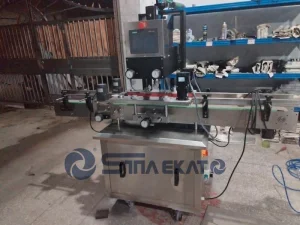
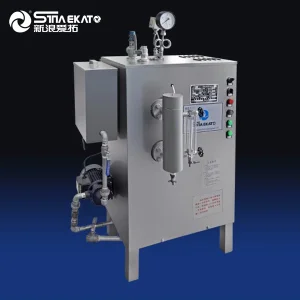
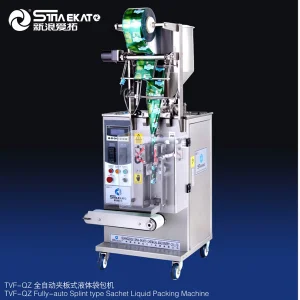
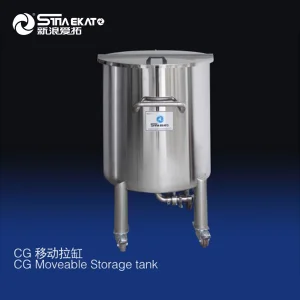
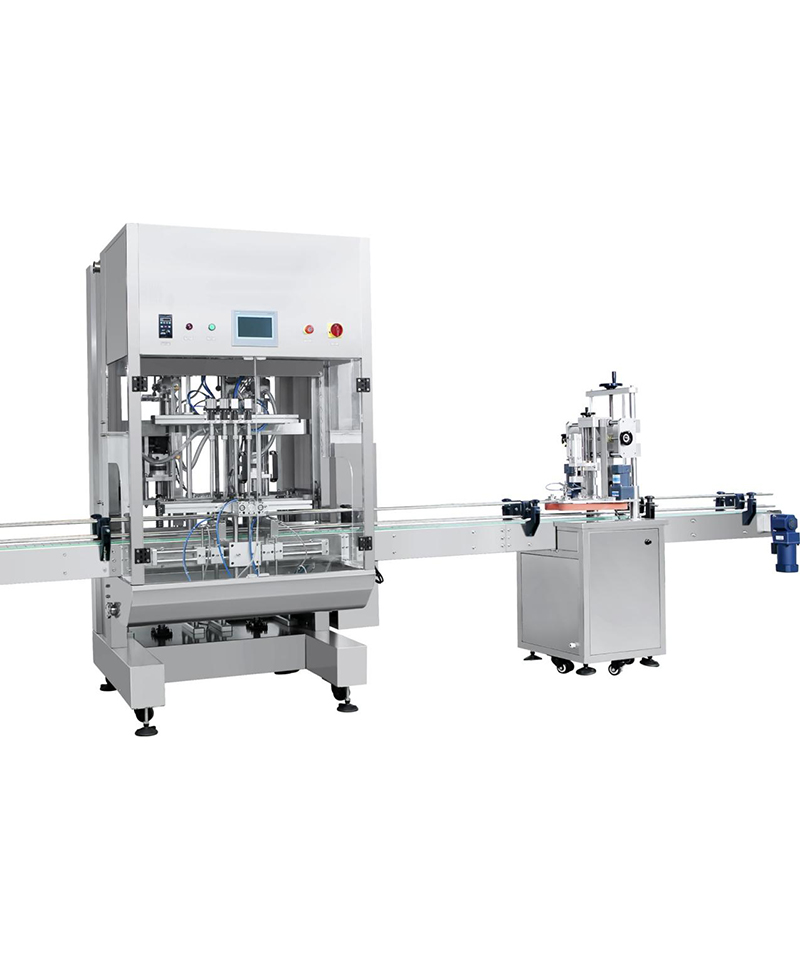
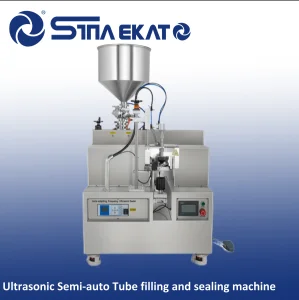
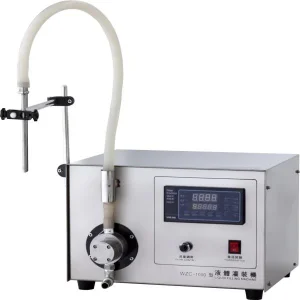
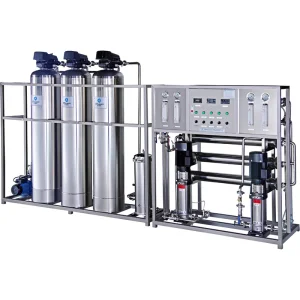
Completing your production line with high-precision machinery.
Get a comprehensive technical consultation and discount price list from our expert engineering team.
INQUIRY FOR PRICELIST NOW